Thinking about a horse property in Milton? The features that stand out here are not always the flashiest ones. In a market shaped by acreage, zoning, trails, and rural planning, the details buyers notice first often say the most about long-term value. If you want to understand what matters on a Milton equestrian estate, this guide will help you spot the features that deserve a closer look. Let’s dive in.
Why Milton Feels Different
Milton has a distinct identity in north metro Atlanta because it is intentionally rural in character while still connected to the broader region. The city describes itself as rural but not remote, and about 85% of its more than 39 square miles are agriculturally zoned. In those areas, residential lots must be at least 1 acre.
That planning framework shapes what you see on the ground. Milton says it has more than 200 active horse farms, and they are spread throughout the city rather than concentrated in one pocket. For you as a buyer, that means equestrian living is woven into the local landscape, not treated like a niche use on the edge of town.
The city’s long-range planning also matters. Milton’s policies aim to preserve rural heritage, large lots, and low-density development patterns. In practical terms, buyers are often looking not just at the home itself, but at how well the property fits into a setting that is expected to stay rural in feel.
Acreage Buyers Notice First
When buyers tour equestrian estates in Milton, usable acreage usually gets attention before almost anything else. A property can have a beautiful house, but if the land is awkward, overly wooded for its intended use, or difficult to navigate, buyers notice quickly. The shape and function of the acreage often matter as much as the total number of acres.
In Milton, large lots play an important role in value perception. The city defines a large lot as 3 acres or more and has planning tools designed to discourage subdivision. That helps explain why buyers often pay close attention to how much of the land is actually usable and how well the parcel supports a lasting rural setting.
Pasture layout and tree buffers also affect first impressions. Milton’s planning materials specifically point to large lots, horses in pastures, set-back residences, and trees along main roads as part of the city’s rural look. If a property has open views, thoughtful separation from the road, and a strong sense of privacy created by the land itself, buyers tend to feel that immediately.
Setting and Views Matter
Not every equestrian estate feels the same, even within Milton. The city’s character-area materials describe parts of Central Milton as low-density areas with viewsheds, historic gravel roads, horse farms, pastures, woodlands, and estate homes with private amenities. Those landscape qualities often shape what buyers remember after a showing.
Arnold Mill is described by the city as a picturesque southwest corridor with large parcels and equestrian properties. Sweetapple is identified as the city’s most rural area, dominated by horse farms, pastures, and woodlands. For buyers, these descriptions help explain why the surrounding setting can influence both daily enjoyment and long-term desirability.
This is one reason curb appeal on equestrian property works differently than it does in a conventional neighborhood. Buyers are often responding to the approach, the setbacks, the line of trees, the condition of the fields, and the way the home sits on the land. In Milton, the estate setting is often part of the value story.
Barn Quality Sends a Strong Signal
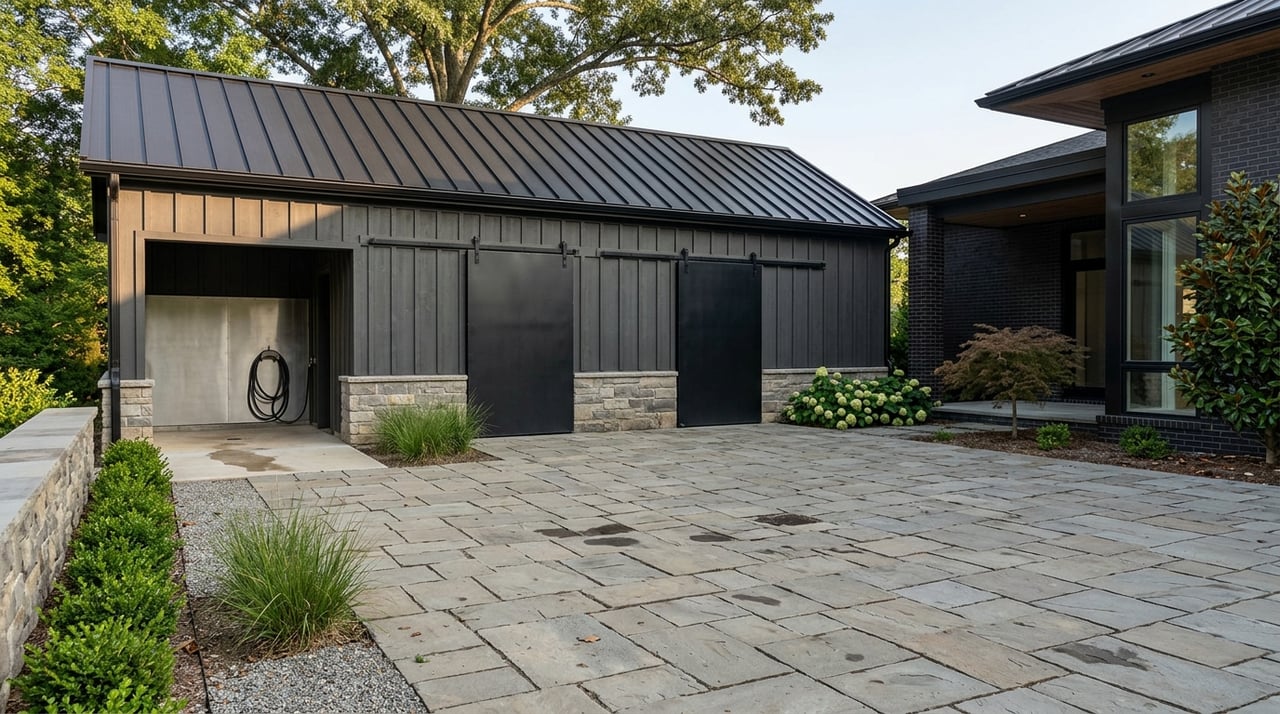
Barns and outbuildings are more than extras on a Milton equestrian estate. For many buyers, they are one of the clearest signals of how well the property has been maintained and how functional it will be from day one. A solid barn can reassure buyers before they even start evaluating finishes inside the house.
Milton Fire-Rescue offers free barn and stable safety evaluations, which tells you how important these structures are in the local market. Their program reviews electrical safety, fire escape planning, chemical storage, extinguishers, alarm systems, sprinkler systems, and carbon-monoxide detection. Buyers who understand this market often notice whether a barn appears organized, safe, and set up for responsible long-term use.
Even if a buyer plans to personalize the property later, the condition of the barn and support buildings can shape the whole showing experience. Clean layouts, logical access, and evidence of safety planning tend to inspire more confidence than cosmetic upgrades alone. On horse property, utility and stewardship matter.
Rideability Adds Everyday Value
A beautiful estate can lose some appeal if it is hard to use in everyday life. That is why rideability stands out to buyers in Milton. They are often looking at whether the property supports a smooth ownership experience, not just a pretty one.
Trail access and equestrian connectivity can be part of that equation. Milton’s Trails Advisory Committee includes opportunities to walk, bicycle, and even ride horses around the city, and transportation planning notes equestrian trail facilities and trail connections in areas such as Birmingham Park and the Lackey Road greenspace. Buyers who want more than private acreage often notice how a property connects to the broader equestrian environment.
Public greenspace can reinforce this value. Birmingham Park is described as a popular destination for trail riding, and Lakhapani Preserve includes a 1.5-mile trail, creek and lake frontage, and a gravel parking lot large enough for horse trailers to turn around. Even when these amenities are not on the property itself, they can strengthen the day-to-day appeal of owning in Milton.
Zoning Shapes Flexibility
In Milton, zoning is one of the biggest features buyers notice once they move past the visual first impression. It can affect how the land is used, how many animals may be allowed, and how protected the rural setting may remain over time. For equestrian estates, that makes zoning central to both lifestyle and value.
The city uses Agriculture, Equestrian, Estate Residential, or AEE, for many rural areas. In Arnold Mill, for example, the small area plan says most of the area is zoned AG-1, requires at least 1 acre per parcel, and is not intended for sewer extension or major urban-style development. That kind of planning can help preserve the estate character many buyers want.
Animal capacity can also come into play. Milton’s code states that outside agricultural zones, a single premises generally may not keep more than five horses, mules, asses, or cows. If you are buying for a specific equestrian use, parcel-level zoning review is essential.
Utilities Affect Daily Use and Resale
On estate property, utility infrastructure often matters more than buyers expect. In Milton, water and sewer are handled by Fulton County unless a property uses a septic tank, which is generally the case for lots 1 acre and over. Septic permits are issued by the Fulton County Health Department.
That means the utility setup can influence convenience, maintenance, and future resale. Buyers often notice early whether a property’s systems align with their needs and comfort level. On rural parcels, these details are not secondary. They are part of the ownership experience.
Because Milton’s long-term planning emphasizes rural growth patterns, sewer extension is not always part of the future picture in estate areas. That is another reason infrastructure questions should come early in the process. The home may be beautiful, but the systems behind it still shape value.
Tax Status Can Change the Math
Some buyers also pay close attention to how land is classified for tax purposes. Milton notes that Fulton County manages CUVA, a land designation that may reduce tax responsibility for qualifying agricultural, forest, or environmentally sensitive properties. On larger parcels, that can become an important part of the financial picture.
Tax treatment does not make one property automatically better than another, but it can affect carrying costs and ownership strategy. If a parcel may qualify, that is worth reviewing as part of due diligence. For buyers comparing multiple estates, this can become a meaningful point of difference.
Smart Questions Before You Buy
Once you narrow your options, the next step is to look past the surface. In a market like Milton, the strongest purchase decisions usually come from understanding how the property works, not just how it looks. A thoughtful review can help you avoid surprises later.
Here are key questions to ask:
- What is the exact zoning for the parcel?
- What uses are permitted on the property today?
- Are there overlays, restrictions, or conditions that affect flexibility?
- How are water, sewer, or septic handled?
- Has the barn or stable setup been reviewed for safety?
- How does emergency access work for the house and outbuildings?
- Are there nearby equestrian trail connections or horse-friendly greenspaces?
- Is there any tax status, including CUVA, that affects current carrying costs?
Milton zoning staff can provide parcel-level information and zoning certification letters. The city also directs zoning and variance questions through planning staff and the Board of Zoning Appeals process. For buyers who want clarity, these local steps are worth taking seriously.
Milton Fire-Rescue’s barn safety program is another useful local signal. The department notes that barn fires can destroy people, livestock, equipment, and structures, and it also operates a large-animal emergency rescue unit. If a property includes horse facilities, safety planning should be part of the evaluation.
What Buyers Remember Most
In the end, buyers usually remember the properties that feel complete. In Milton, that often means a combination of usable land, a strong rural setting, quality barns, practical infrastructure, and zoning that supports the intended use. The house matters, but on an equestrian estate, the full property experience matters more.
That is also where local insight becomes valuable. The right estate is not just attractive on paper. It fits the way Milton is planned, lived in, and preserved over time.
If you are considering buying or selling an equestrian estate in Milton, working with a team that understands land, design, and how buyers evaluate estate property can make the process much clearer. Connect with Rich Richardson for thoughtful guidance tailored to Milton’s unique market.
FAQs
What makes Milton different from other equestrian markets?
- Milton describes itself as rural but not remote, has more than 200 active horse farms, and uses planning policies that preserve large lots, agricultural land, and low-density development.
What home features do buyers notice first on Milton equestrian estates?
- Buyers often notice usable acreage, pasture layout, tree buffers, the home’s setback from the road, and the quality and condition of barns or outbuildings.
Why does zoning matter for horse properties in Milton?
- Zoning can affect permitted uses, long-term flexibility, animal capacity, and whether the surrounding area is likely to keep its rural estate character.
Are horses common throughout Milton?
- Yes. The city says it has more than 200 active horse farms, and they are dispersed throughout Milton rather than clustered in a single district.
What utility issues should buyers check on a Milton estate property?
- Buyers should verify whether the property uses county water and sewer or septic, since lots 1 acre and over generally use septic and infrastructure can affect convenience and resale.
Are there public riding and trail resources in Milton?
- Yes. Milton’s planning references equestrian trail facilities and connections, and public greenspaces such as Birmingham Park and Lakhapani Preserve support trail-oriented outdoor use.
Can tax treatment affect the cost of owning land in Milton?
- Yes. Fulton County manages CUVA, which may reduce tax responsibility for qualifying agricultural, forest, or environmentally sensitive properties.
What should buyers ask before making an offer on a Milton equestrian estate?
- Buyers should confirm exact zoning, permitted uses, restrictions, utility setup, barn safety considerations, emergency access, trail connectivity, and any applicable tax status.