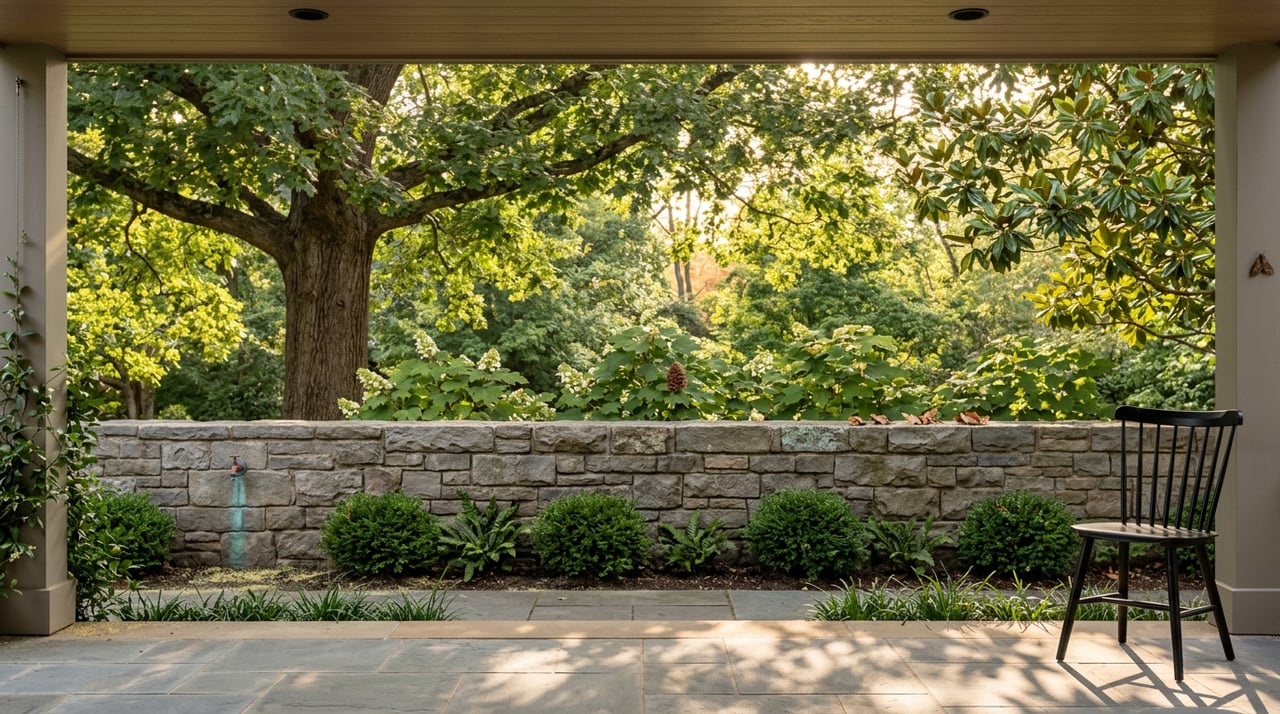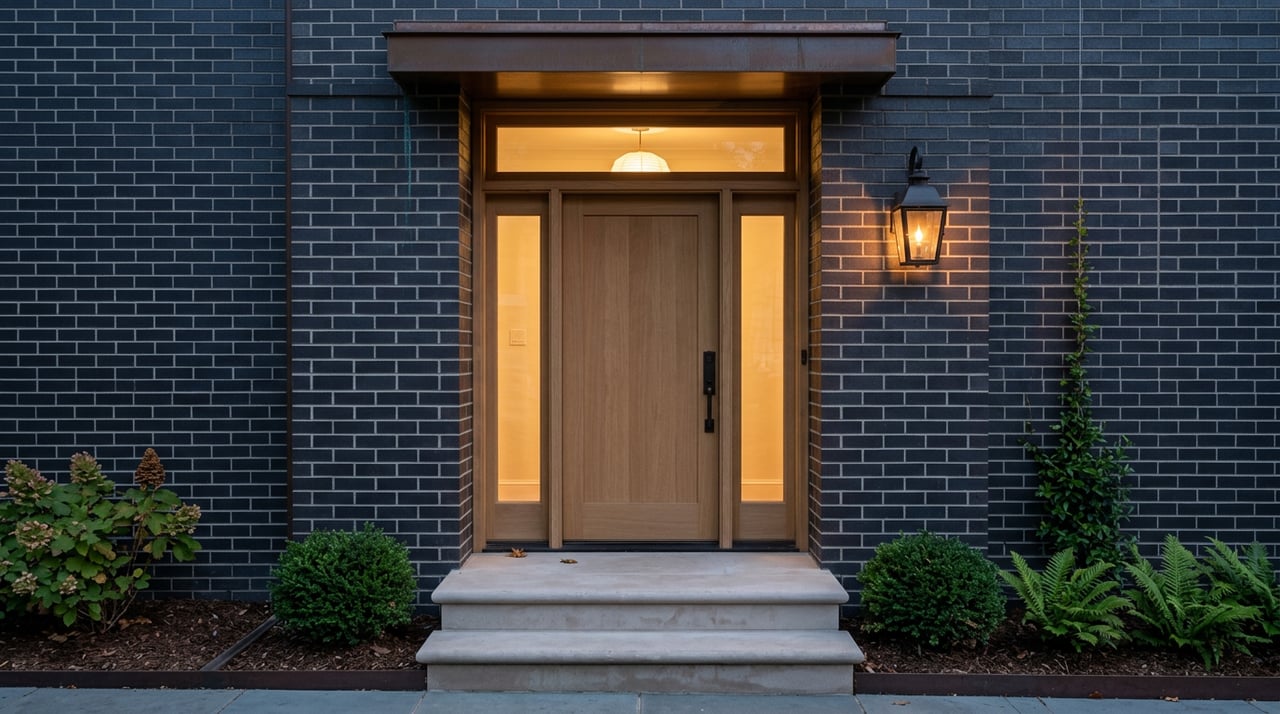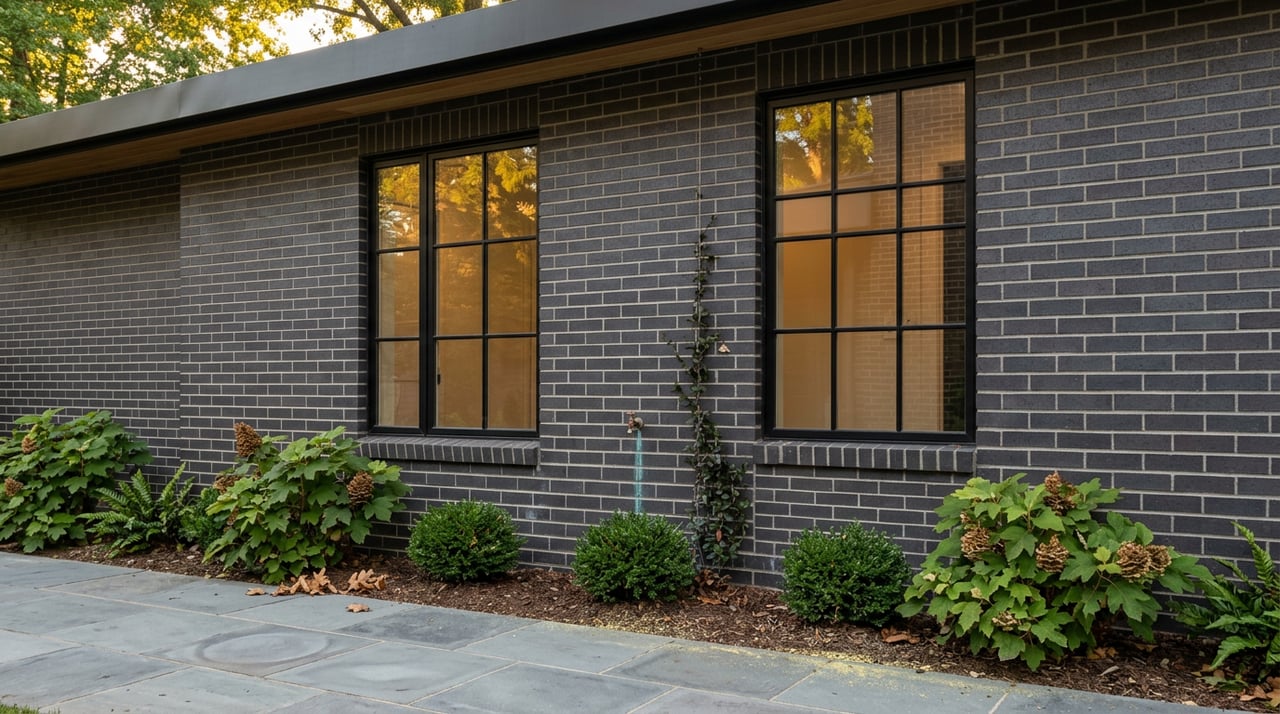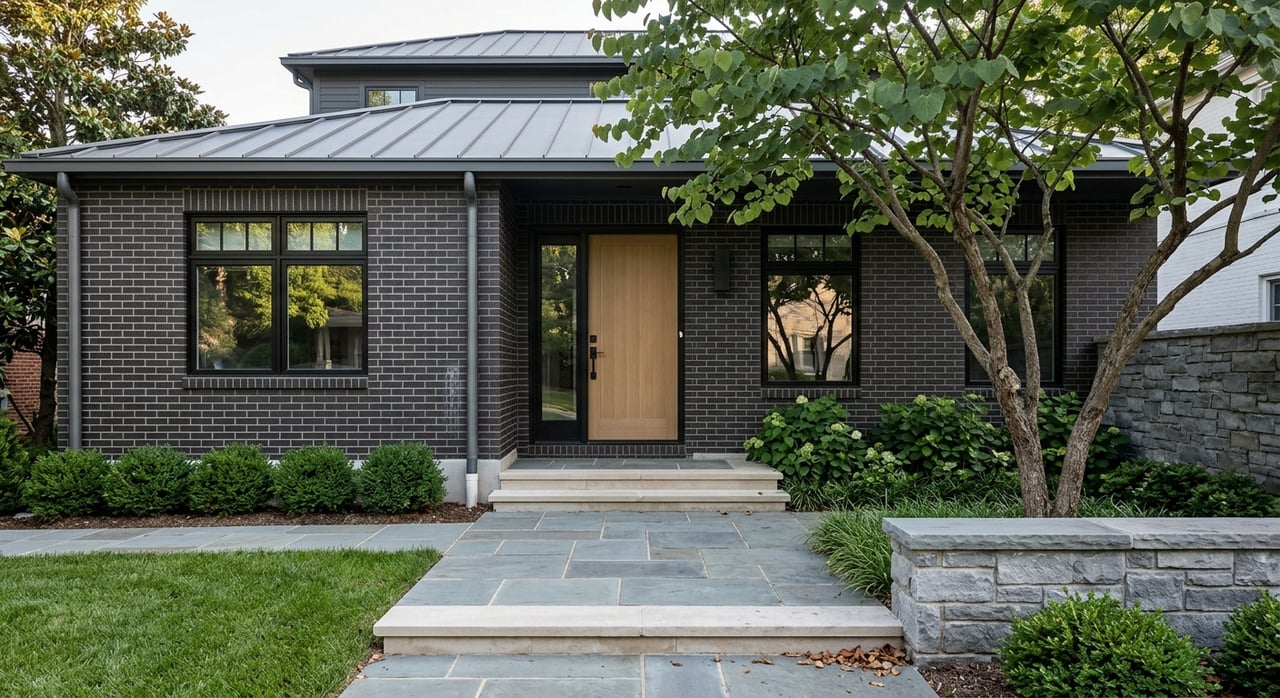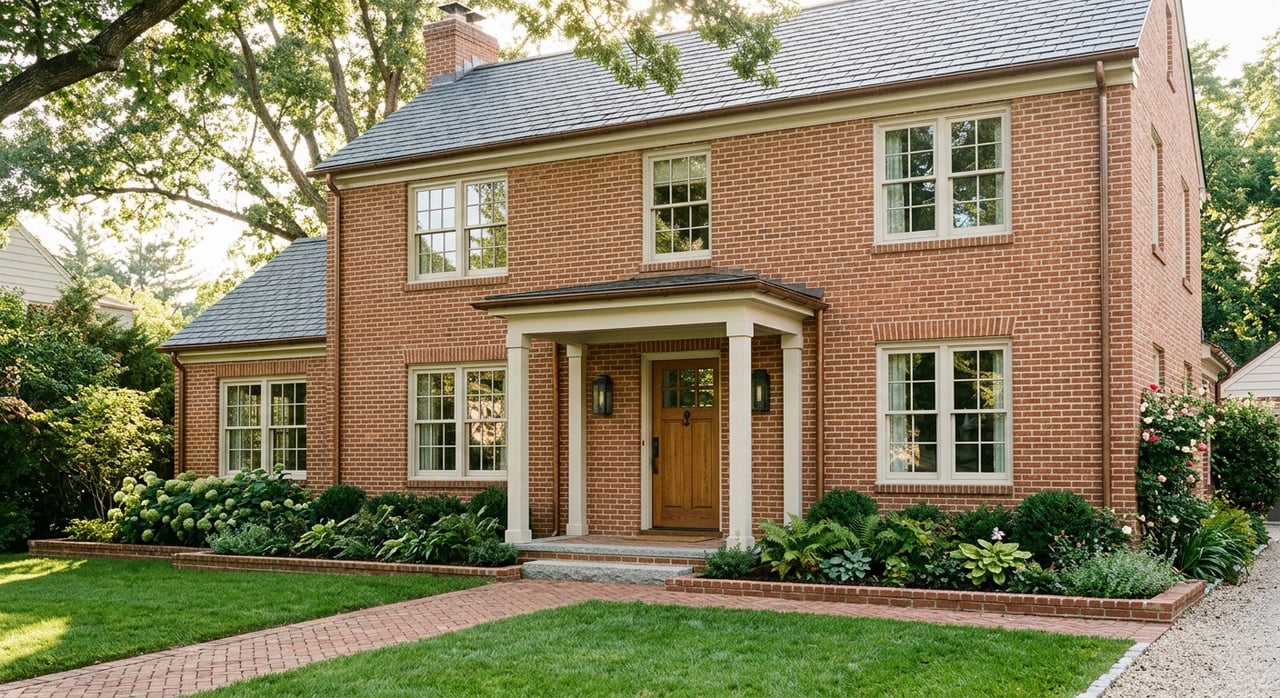
Wondering how to modernize an Ansley Park home without stripping away the details that make it special? You are not alone. Whether you are preparing to sell, planning a move into the neighborhood, or updating a house for your own long-term use, the goal is usually the same: improve how the home lives today while protecting the character that gives it lasting appeal. Let’s dive in.
Why Ansley Park Character Matters
Ansley Park’s identity comes from more than individual homes. According to National Park Service documentation, it was developed as Atlanta’s first planned neighborhood designed and built after the acceptance of the automobile, with curving streets, park-like streetscapes, landscaped areas, and rear service patterns that kept garages out of public view.
That planning still shapes how homes are experienced today. In Ansley Park, the relationship between the house, the street, mature trees, and the surrounding landscape is a major part of the neighborhood’s appeal. That is why updates that respect the public-facing character of a home often feel most natural here.
The architecture also adds to that sense of place. The National Register documentation identifies a wide mix of styles, including Colonial, Federal, Neoclassical, Italian Renaissance, Baroque, Queen Anne, Tudor, Late Victorian, Prairie School, and Craftsman. Instead of one repeated look, the neighborhood is defined by variety with a clear sense of historic proportion and visual discipline.
What Defines an Ansley Park Home
Many early homes in Ansley Park share a few visible features. The National Park Service notes common elements such as large two-story forms, clapboard or shingle siding, lower projecting porches, hipped roofs, and deep overhanging eaves.
Just as important, the front façade carries a lot of visual weight. The historic documentation notes that homes front onto public rights-of-way, which helps explain why changes to the street-facing side of a house tend to stand out more here than they might in another neighborhood.
When you think about preserving character, focus on these features first:
- Front porches and original entry presence
- Rooflines and eave depth
- Window proportions on the main façade
- Mature landscaping and park-like curb appeal
- Rear-service patterns, including garage placement out of public view where possible
What Renovation Rules Mean in Ansley Park
One of the most common questions homeowners ask is whether historic status prevents updates. In Ansley Park, the answer is more nuanced than many people expect.
The National Park Service says National Register listing is primarily a recognition and planning status. By itself, it does not automatically create blanket private-property renovation restrictions. A 2025 City of Atlanta neighborhood document also notes that Ansley Park explored local historic-district designation, but those efforts did not gain enough support.
That means Ansley Park is not currently operating under the same local historic-district rules as Atlanta neighborhoods with adopted city preservation ordinances. In practical terms, owners often have more flexibility than they would in a locally designated historic district.
That said, flexibility does not mean every change is a smart one. The value of an Ansley Park home is closely tied to the neighborhood’s visual coherence and historic integrity. Even when a renovation is allowed, the best results usually come from choices that feel calm, compatible, and respectful of the original design.
The Best Way to Update Without Overdoing It
In Ansley Park, the strongest renovations usually protect the public face of the house while placing the most functional changes out of sight. This approach lines up with the neighborhood’s original planning, which emphasized landscaped streets and hidden service access.
For many homes, that means repairing instead of replacing original porch details, preserving the roofline, and keeping additions subordinate to the main volume. You can still create better flow, more storage, and updated interiors, but the exterior should not lose its sense of proportion.
A good rule of thumb is simple: modern living should be folded into the historic form, not layered aggressively on top of it. That mindset tends to produce updates that look better now and hold up better over time.
Updates That Usually Fit Well
The most compatible projects often include:
- Porch repair and restoration
- Exterior paint refreshes
- Landscape cleanup and replanting
- Front door improvement or replacement in a compatible style
- Garage door updates, where relevant
- Kitchen and bath modernization with visually quiet finishes
- System, comfort, and function upgrades that do not disrupt the façade
These improvements support the way buyers experience the home without overpowering its original character.
Changes That Can Feel Out of Place
Some projects tend to work against the design logic of the neighborhood. Based on the documented planning and architectural patterns in Ansley Park, the biggest risks often include:
- Oversized front-facing garages
- Second-story expansions that dominate the primary façade
- Replacement windows that change the rhythm or proportions of the front elevation
- Strongly contrasting exterior materials
- Additions that compete with the original main structure instead of staying secondary
These choices can make a home feel disconnected from the streetscape, even if the work itself is high quality.
Smart Pre-List Updates for Sellers
If you are selling an Ansley Park home, you do not always need a dramatic renovation to improve market position. In many cases, the best pre-list strategy is maintenance-first and curb-appeal-forward.
That approach is supported by national remodeling data. Zonda’s 2024 Cost vs. Value report found strong resale returns for exterior replacement projects, including garage door replacement at 194% ROI, steel entry door replacement at 188% ROI, manufactured stone veneer at 153% ROI, and a minor kitchen remodel at 96% ROI. The same report placed a mid-range bathroom remodel at 74% ROI.
For Ansley Park, the takeaway is not to chase the biggest possible project. It is to focus on upgrades that feel integrated with the house and improve presentation without changing its identity.
Seller Priorities to Consider
Before listing, these are often the safest moves:
- Correct deferred maintenance
- Refresh paint where needed
- Repair porch details and visible trim
- Simplify later alterations that distract from the original architecture
- Improve landscaping and define the front entry experience
- Update garage doors or entry doors if they feel tired or out of sync
For many homes, these targeted improvements do more for perceived value than a full redesign.
What Buyers Should Look For
If you are buying in Ansley Park, it helps to look past surface-level finishes and focus on the bones of the home. A house with strong proportions, intact porch character, compatible rooflines, and a well-preserved street presence may offer more lasting value than one with trend-driven updates that ignore the original design.
It is also worth separating cosmetic change from meaningful modernization. Kitchens, baths, storage, and systems can often be improved over time without sacrificing character. What matters most is whether the home still respects the proportions and visual cues that make it belong in Ansley Park.
For buyers planning future work, a thoughtful renovation strategy starts with understanding what should stay visually prominent and what can be updated more quietly. That balance is often where the best long-term results come from.
Why Design Judgment Matters
In a neighborhood like Ansley Park, renovation is not just about cost. It is about judgment. The homes that stand out for the right reasons are usually the ones where updates feel considered, restrained, and true to the house.
That is especially important if you are selling a higher-value property. Buyers in design-aware Atlanta neighborhoods often respond to homes that feel complete and coherent, not overworked. A measured plan can protect character, support resale, and help your home present at its best.
For sellers, that may mean choosing presentation, repair, and subtle upgrades over a full overhaul. For buyers, it may mean seeing the potential in a home that has preserved the right original elements. In both cases, understanding the architecture can lead to better decisions.
If you are weighing updates, preparing to list, or trying to evaluate which improvements will actually support value in Ansley Park, Rich Richardson brings a design-informed, people-first approach to helping you make the right move.
FAQs
What gives Ansley Park homes their historic character?
- Ansley Park’s character comes from both its homes and its setting, including curving streets, park-like landscaping, mature trees, rear-service patterns, and historic architectural details such as porches, hipped roofs, and deep eaves.
Can you renovate a home in Ansley Park and still preserve its character?
- Yes. The most successful renovations usually modernize function while preserving the home’s street-facing appearance, roofline, porch character, and overall proportions.
Does National Register status restrict private renovations in Ansley Park?
- No. The National Park Service says National Register listing does not by itself create blanket private-property renovation restrictions.
Is Ansley Park a locally designated historic district in Atlanta?
- No. According to a 2025 City of Atlanta neighborhood document, Ansley Park explored local historic-district designation, but those efforts did not gain enough support.
What updates are safest before listing an Ansley Park home?
- The safest updates are usually maintenance-focused improvements like paint refreshes, porch repair, landscaping, entry updates, and fixing deferred maintenance without changing the home’s identity.
What kinds of changes can hurt character in an Ansley Park home?
- Oversized additions, front-loaded garages, replacement windows that alter façade proportions, and exterior materials that feel incompatible with the original house are some of the biggest risks.
Should sellers in Ansley Park do a major remodel before listing?
- Not always. In many cases, smaller, well-judged improvements that support curb appeal and preserve the home’s architectural integrity are a better use of time and budget.