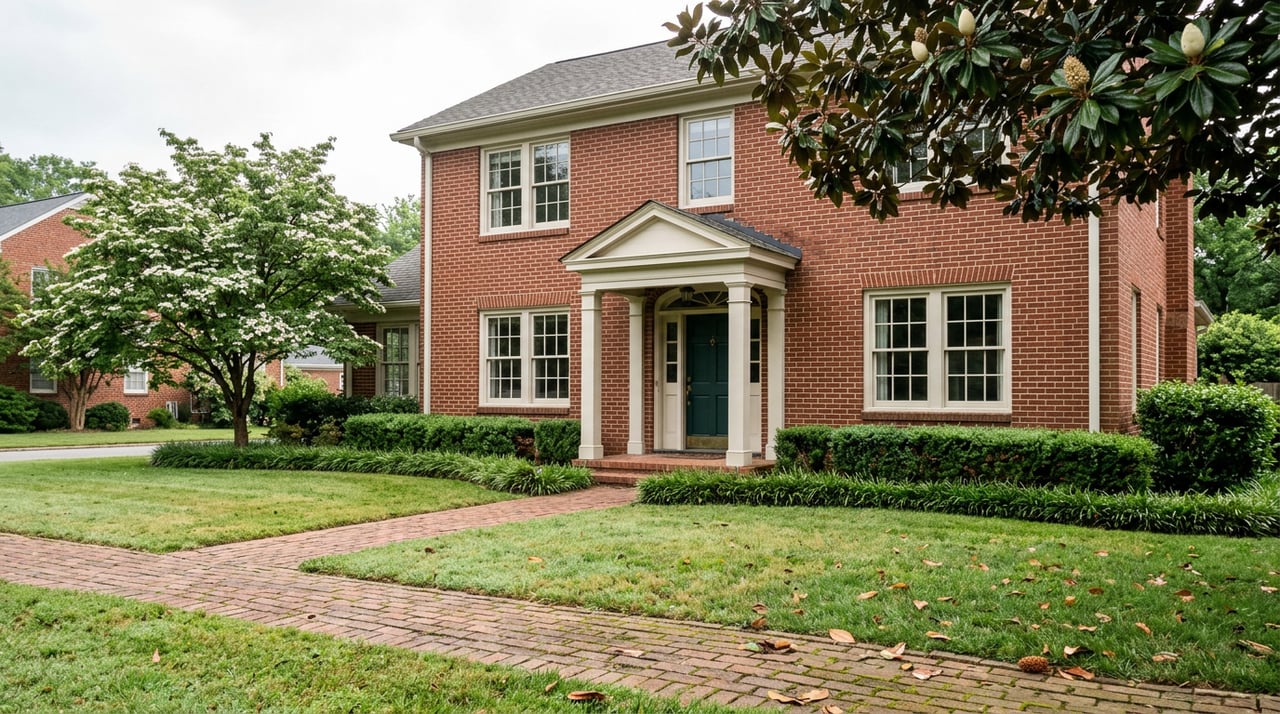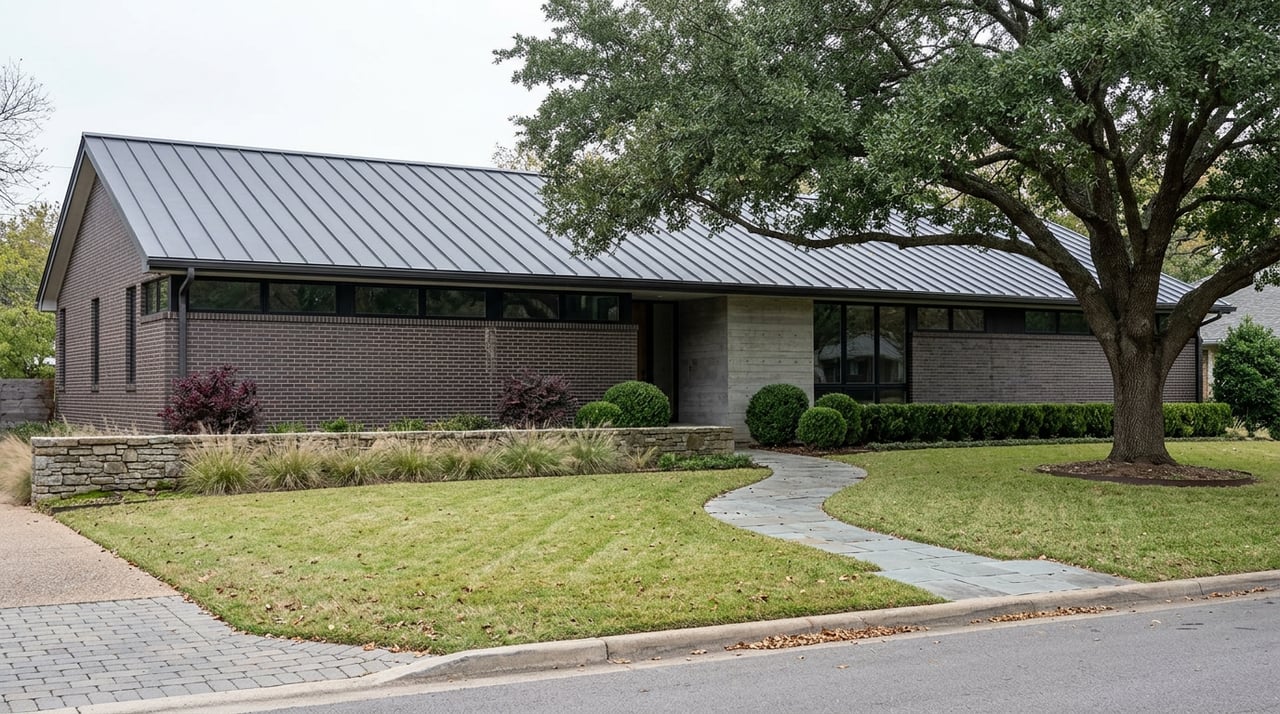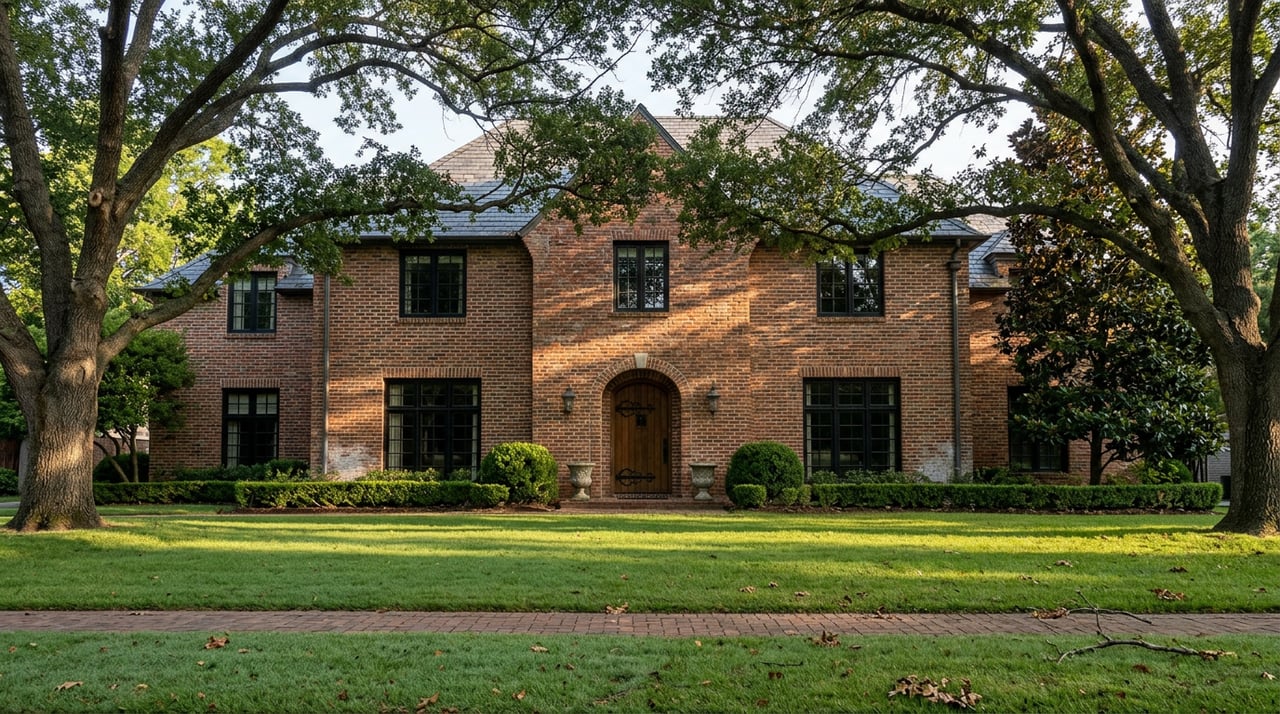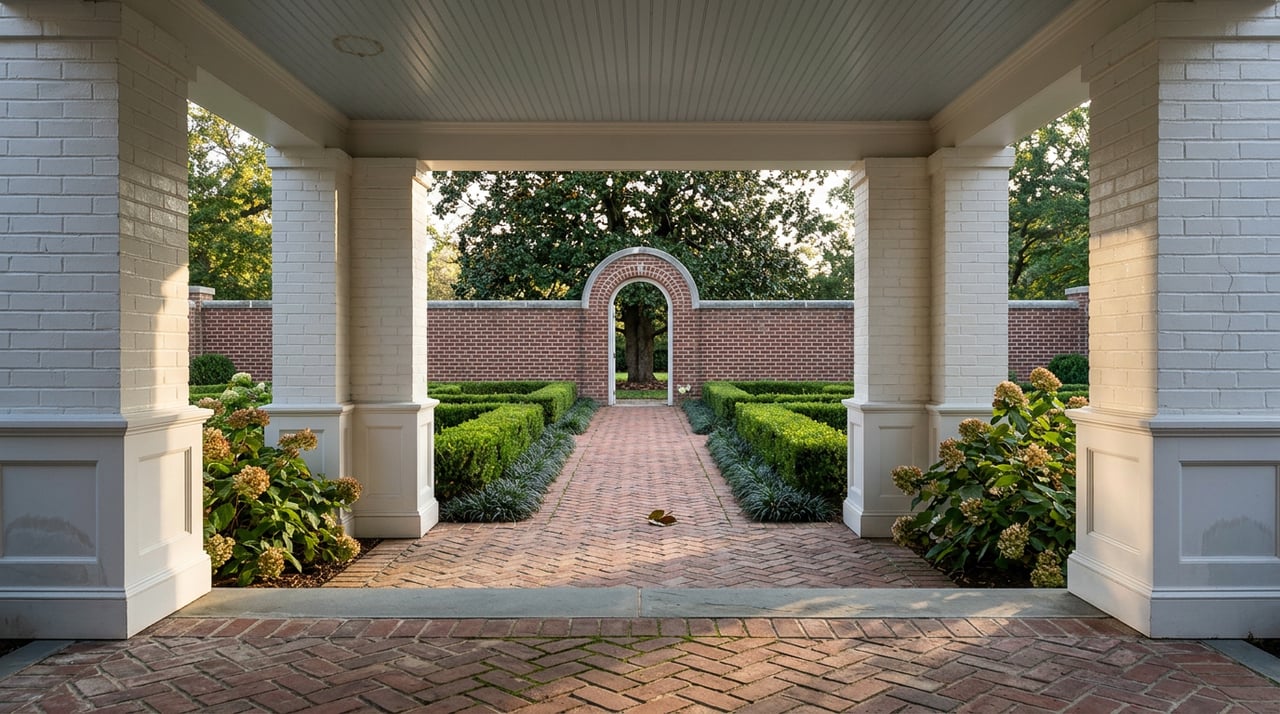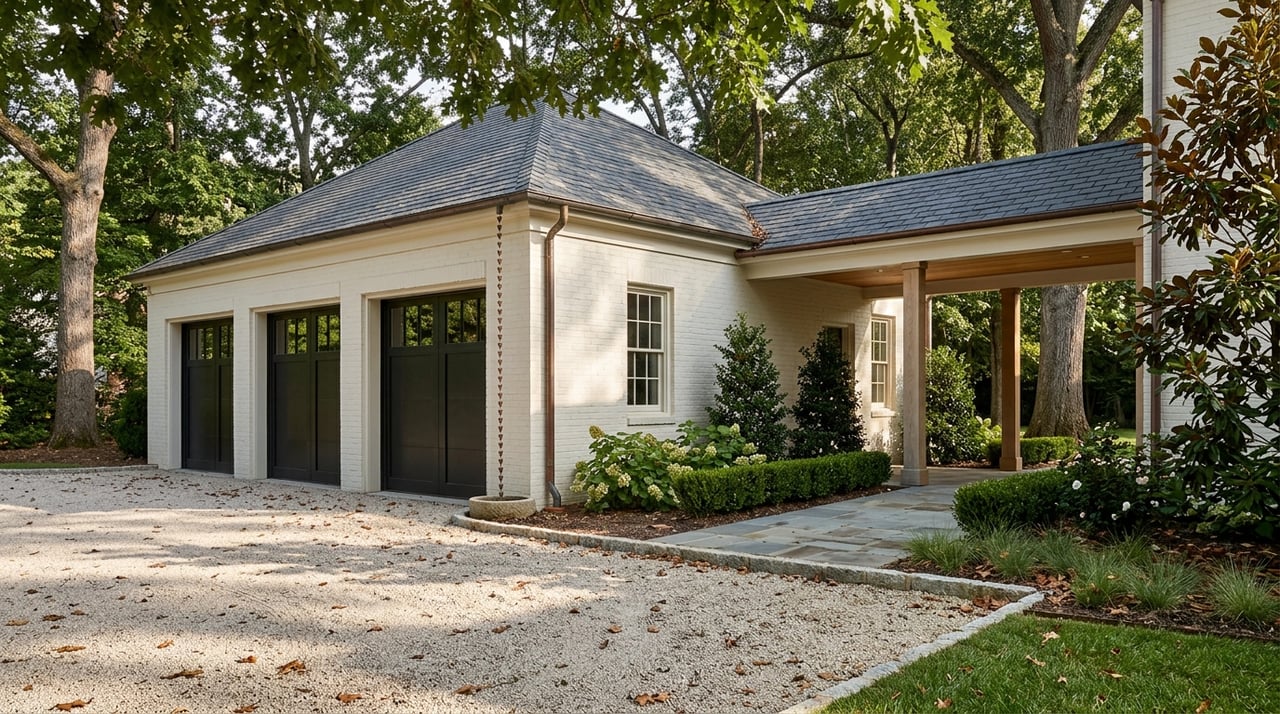
Thinking about buying an estate home in Milton? You are not just shopping for square footage. You are evaluating land, zoning, utilities, permit history, and how a property fits into one of north metro Atlanta’s most distinct rural-lifestyle markets. If you want to understand what really matters before you buy, this guide will walk you through the practical details that can shape your decision and your long-term enjoyment of the property. Let’s dive in.
Why Milton feels different
Milton stands apart because the city has intentionally protected its rural character. The city describes about 85% of its 39-plus square miles as agriculturally zoned, and residential lots are generally at least one acre. That planning approach helps explain why estate living feels more natural here than in many nearby luxury markets.
For you as a buyer, that means Milton is often less about fitting a large home onto a typical suburban lot and more about finding a property that works as a complete estate setting. Privacy, open land, long driveways, mature trees, and room for accessory features are often part of the appeal. The land is not just a backdrop here. It is part of the value.
What “estate home” means in Milton
In Milton, an estate home usually means more than a high price point or custom finishes. It often includes substantial lot size, a more private site plan, and a relationship between the home and the land that feels intentional. Depending on the property, that may also include a guest house, barn, pool, detached structure, or equestrian setup.
Local zoning helps shape that definition. For AG-1 property, Milton’s code shows a one-acre minimum on paved roads and a three-acre minimum on unpaved roads, along with frontage and width requirements that vary by road type. That matters because two homes with similar finishes can offer very different long-term flexibility depending on the parcel’s legal setup.
Why plat history matters
One of the biggest surprises for estate buyers is that the lot itself may require as much review as the house. In 2026, Milton moved to tighten AG-1 subdivision rules for certain newly created lots, including lot-coverage caps, buildable-area rules, natural-area setbacks, and survey requirements. In plain terms, the history of how a parcel was created can affect what you can build, change, or expand later.
If you are comparing lots, ask early whether the parcel is newly platted, older and established, or altered through subdivision. A beautiful property can still come with design or site constraints that are not obvious from the listing photos. This is one area where careful local guidance can save you from expensive assumptions.
Acreage homes need deeper due diligence
Buying an estate home in Milton usually requires more investigation than buying a standard suburban resale. More land often means more systems, more site-specific variables, and more questions that should be answered before closing. The home inspection is important, but it is only one part of the picture.
On acreage properties, you will want to look closely at utility service, septic, grading, drainage, tree issues, accessory structures, and prior site work. If the property includes a pool, detached garage, barn, long driveway, or recent clearing, each item should be reviewed with an eye toward permits and long-term usability. The goal is not to create fear. It is to replace guesswork with clarity.
Water, sewer, and septic in Milton
Milton does not provide municipal water or sewer service. Buyers are generally dealing with private service or Fulton County Water Services. The city also notes that homes not paying for wastewater service are likely on septic, and septic systems are commonly used on lots of one acre and over.
That makes septic due diligence especially important. You will want to understand the septic location, drainfield capacity, and maintenance history, and Fulton County Health Department handles septic permits. On a large lot, it is easy to focus on the visible features first, but the invisible systems can have just as much impact on your experience after closing.
Questions to ask about septic
- Where is the septic tank located?
- Where is the drainfield located?
- Are there maintenance records available?
- Have there been any additions or changes to the home that could affect system capacity?
- Are there site limitations that could affect future expansion plans?
Check permit history before you close
Milton generally requires residential permits for new homes, additions, detached accessory structures, and major system work. The city also requires plan review and inspections through its permitting process. For estate properties, that means you should not assume older improvements or recent upgrades were properly reviewed just because they look high quality.
This is especially relevant if the property includes site-intensive features. Barns, pools, additions, grading, driveways, and tree clearing are all worth checking against permit history before you close. A well-designed estate should feel like a complete property, but from a buyer’s standpoint, it also needs to show a clear paper trail.
Improvements worth verifying
- Pool installation or major pool renovations
- Detached garages or accessory buildings
- Barns and horse-related structures
- Home additions or finished spaces
- Driveway work or major grading
- Tree removal and clearing activity
Tree rules can affect future plans
Large, wooded lots are part of Milton’s appeal, but they also come with rules. The city regulates tree removal, and many large trees, including trees 15 inches DBH and larger, require permits. Some smaller canopy trees or trees in buffers can also trigger review.
If you are imagining a future expansion, a wider lawn, or a new accessory structure, tree rules may become part of that process. This does not mean you cannot improve the property. It means your plans should be matched against the site conditions and city requirements before you rely on them.
Equestrian living is possible, but not automatic
Milton’s equestrian identity is real. The city describes horse farms as part of the local fabric, and they are dispersed across the community rather than clustered in just one area. That gives buyers a wider range of horse-friendly possibilities than they might expect.
At the same time, horse use is still property-specific. Outside agricultural zoning, Milton caps horses, mules, asses, and cows at five per premises, and recorded covenants may add further limits. If equestrian use matters to you, zoning and covenants should be reviewed early, not after you have fallen in love with the land.
If you want a horse-friendly property
- Confirm the zoning classification
- Review any recorded covenants and restrictions
- Ask how the property has been used in the past
- Verify whether existing barns or equestrian features were permitted
- Consider whether the site supports your intended use beyond the home itself
Design review can vary by location
Milton uses location-based design oversight in parts of the city. The Design Review Board reviews aesthetics in several overlay districts, and the city adopted form-based code in 2021. The city states that DRB approval is generally required for developments except single-family detached dwelling units, which suggests that a custom estate home in AG-1 may follow a different review path than a property inside an overlay corridor.
For you, the takeaway is simple: not every Milton estate property carries the same design-review context. If you are comparing a move-in-ready home with a tear-down, major renovation candidate, or vacant parcel, location within the city can shape how straightforward your future plans may be.
Appraisals can be more nuanced
Estate homes and acreage properties often raise appraisal questions that do not come up with more typical suburban homes. Fannie Mae’s appraisal guidance says comparable sales should be similar in site, room count, finished area, style, condition, and legal characteristics. It also notes that rural properties may lack recent truly comparable nearby sales.
That matters in Milton because lot size, customization, accessory buildings, and unique site features can make direct comparisons harder to find. When appraisers need to expand the search area or use older sales, they must explain why. For buyers, that can translate into more sensitivity around contract price, financing structure, and negotiation strategy.
Why appraisals may need extra care
- Large lot sizes can reduce the pool of comparable sales
- Custom architecture may be harder to match
- Accessory buildings may not be valued the way buyers expect
- Nearby sales may not share the same legal or site characteristics
- Newly platted parcels may invite added survey and review questions
How Milton compares with Alpharetta and Roswell
Buyers often look across Milton, Alpharetta, and Roswell at the same time, especially when searching in north metro Atlanta. But the planning posture is not the same. Alpharetta’s planning materials emphasize redevelopment, activity centers, and citywide design and zoning tools, while Roswell focuses on protecting established neighborhoods and directing investment and infrastructure to key areas.
Milton is different because its vision, zoning, and equestrian policies are intentionally built around rural heritage, agriculture, and large lots. If you want privacy, acreage, and horse-friendly potential, Milton is usually the clearest fit. If you are more focused on suburban luxury with a different land-use pattern, nearby cities may feel different in a way that matters.
What to expect during the buying process
Buying an estate home in Milton usually rewards patience and precision. You may need more time for document review, site evaluation, septic research, survey questions, and appraisal planning than you would on a conventional resale home. That extra work is often worth it because it helps you understand not just the house, but the property as a whole.
A strong buying process usually starts with the right questions. What can you do with the land today? What has already been approved or built? What systems serve the property? And if you want to change anything later, what local rules might shape that decision? Those answers can help you buy with confidence instead of simply buying on emotion.
For a market like Milton, design awareness and site awareness go hand in hand. A home may be visually compelling, but the smartest purchase is the one where the architecture, land, utility setup, and legal framework all support the lifestyle you want. That is where detailed guidance becomes especially valuable.
If you are considering an estate home in Milton and want a thoughtful, property-specific perspective, Rich Richardson can help you evaluate the house, the land, and the details that matter before you make your move.
FAQs
What makes an estate home in Milton different from a luxury home in nearby cities?
- Milton is shaped by rural heritage, agricultural zoning, and generally larger lots, so estate homes here often place more emphasis on land, privacy, and site use.
What should buyers review before purchasing acreage property in Milton?
- You should review zoning, plat history, utility and septic details, permit history, tree restrictions, and any recorded covenants that affect how the property can be used.
What do buyers need to know about septic systems in Milton estate homes?
- Many homes on one-acre-plus lots use septic, so buyers should confirm septic location, drainfield capacity, maintenance history, and any permits handled through the Fulton County Health Department.
Can you keep horses on a Milton estate property?
- Possibly, but horse-friendly use depends on zoning and any recorded covenants, and outside agricultural zoning the city caps certain livestock, including horses, at five per premises.
Why can appraisals be more complex for Milton estate homes?
- Estate properties often have larger lots, custom features, and accessory buildings, which can make comparable sales harder to find and may lead to added scrutiny during financing.
Why does plat history matter when buying a Milton estate lot?
- Milton updated AG-1 rules for certain newly created lots in 2026, so lot history can affect buildable area, coverage limits, setbacks, survey requirements, and future flexibility.