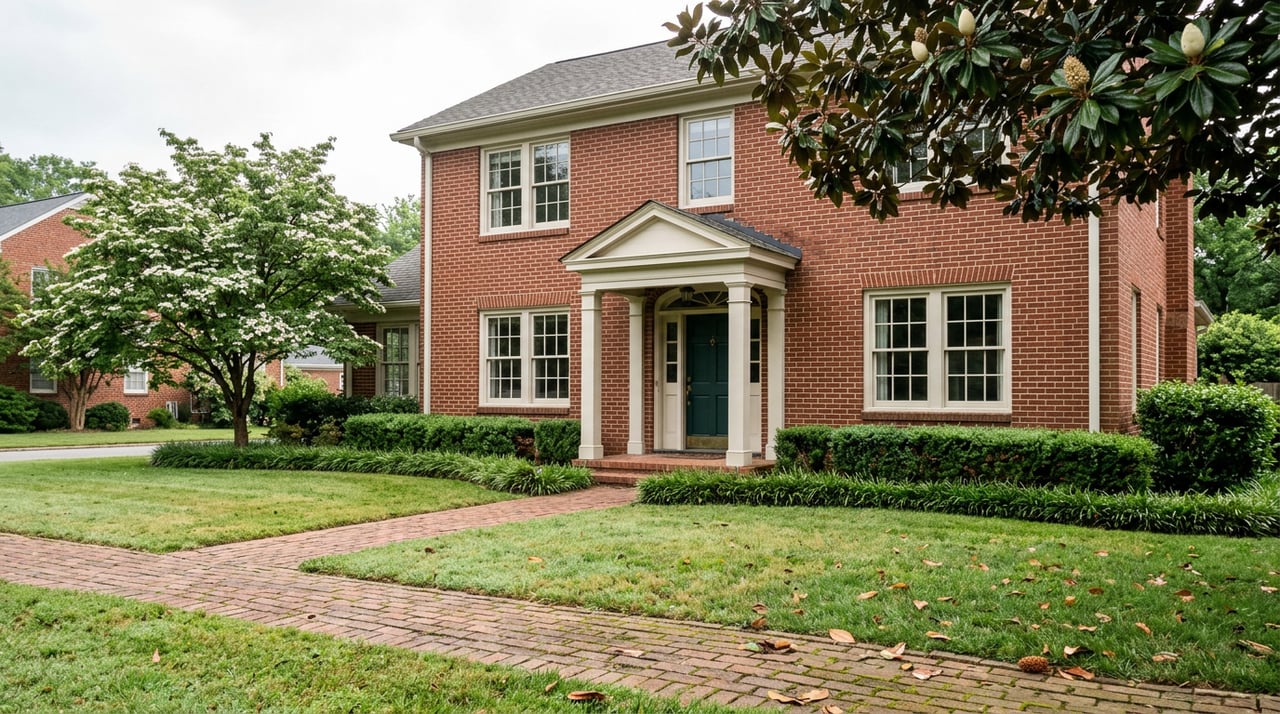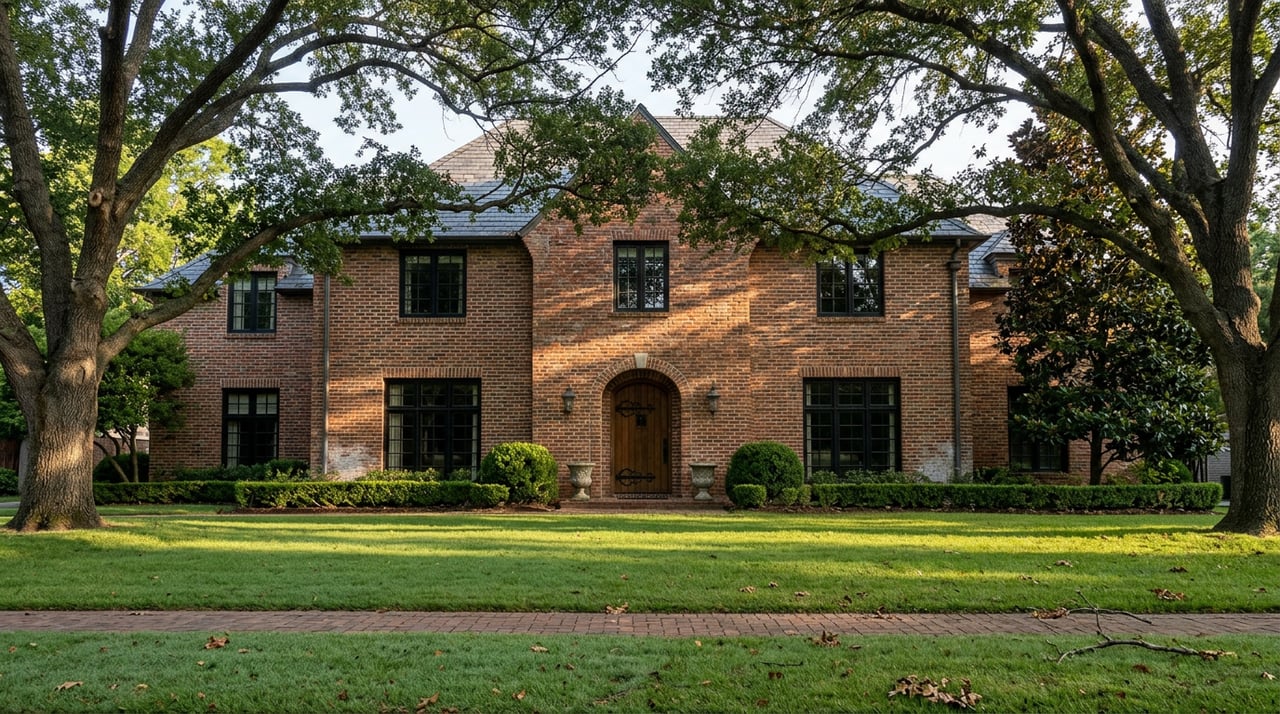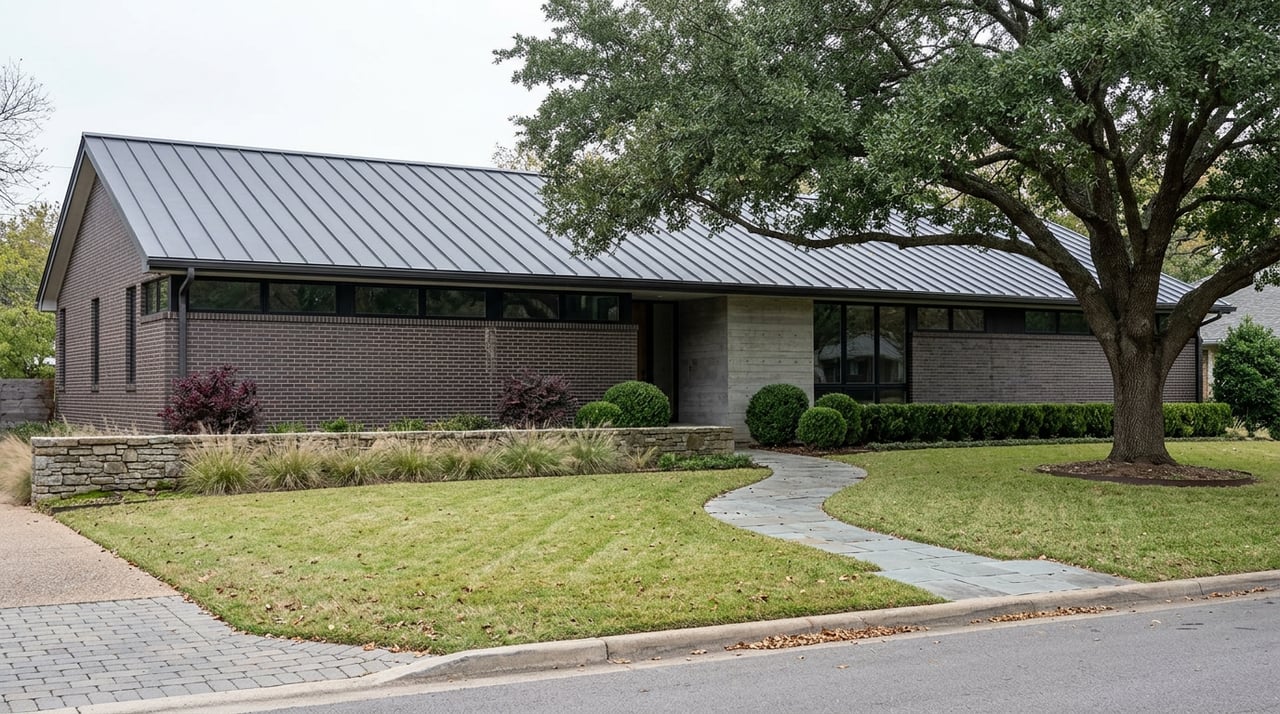
Every listing in Sandy Springs carries a line near the bottom of the sheet: annual property taxes, usually a modest-looking number next to a home that might be worth $900,000 or more. Buyers glance at it, do quick math on monthly carrying costs, and move on. That number is real. It is also almost never the number a new owner will pay.
Georgia's homestead exemption system is built around a base year value that belongs to the person who filed for it, not the house itself. When a home sells, that base year resets. The seller's years of capped growth disappear with the deed. What replaces it is a fresh assessment built on the price you just agreed to pay, and in Sandy Springs, where the city has run its own version of this protection since long before the state got involved, the gap between what a longtime owner pays and what a first-year buyer pays can be wide enough to change how you should be pricing an offer.
This isn't a Sandy Springs-specific loophole. It's how homestead exemptions work everywhere in Georgia. But Sandy Springs is a useful place to walk through the mechanics, because the city's exemption predates the statewide law by decades, which means the patchwork here has more layers than a simple "did the county opt in or out" headline suggests.
Where the number on the listing actually comes from
A homestead exemption's base year is set the year a homeowner files, typically using the assessed value from the year before. From that point forward, the taxable value can only climb by a capped rate, not by whatever the market does. Georgia added a similar statewide version of this protection with House Bill 581 in 2024, but the mechanism itself is old news to Fulton County, which has run its own floating exemption capping county-level growth at 3 percent or the Consumer Price Index, whichever is lower, for roughly two decades.
The part that catches buyers off guard is what happens when the exemption changes hands. It doesn't. A new owner starts over. Georgia's reappraisal rules also now use your actual purchase price as the ceiling for the following year's assessed value, so you won't be assessed higher than what you paid, but you also won't inherit whatever protection the seller built up over ten or fifteen years of ownership. The listing's tax line describes their arrangement with the county, not the one you're about to enter.
Sandy Springs solved this for the seller, decades ago
When Georgia's statewide floating exemption came up for a vote among local governments in early 2025, most large metro Atlanta jurisdictions chose to opt out for that year. Fulton, DeKalb, Cobb, and Gwinnett all saw their school systems decline to participate, and several county governments did too. Sandy Springs didn't have to make that call the same way. The city has offered its own $15,000 basic homestead exemption paired with a floating exemption that caps the city's portion of assessed value growth at 3 percent or the Consumer Price Index, whichever is lower, for years before HB 581 existed. City officials pointed to that history as the reason Sandy Springs took no action on the new state law one way or the other: the local version was already doing the same job.
That's worth sitting with, because "opted out" sounds like a jurisdiction stripped away a protection. In Sandy Springs's case, and in several other North Fulton cities, it more often meant the existing local exemption was already equal to or better than what the state was offering, so there was nothing to gain from opting in. The homeowner isn't worse off. The new buyer, who hasn't filed for any exemption yet, is the one starting from zero.
Three tax bills, one property
A Sandy Springs property tax bill isn't set by one authority. It's the sum of at least three, each with its own exemption rules and its own cap. The city collects roughly 14 percent of your total local tax dollars at a charter-capped rate of 4.731 mills. Fulton County applies its own 3 percent or CPI floating exemption to the county portion. Fulton County Schools, which typically represents the largest single share of a Georgia property tax bill, runs a separate exemption structure with its own $2,000 base reduction and floating component.
None of these layers move in lockstep, and the exemption generosity varies even among neighboring North Fulton cities. That matters if you're comparing a home in Sandy Springs against one a few miles away.
| City | City-Level Homestead Exemption | Local Assessment Cap |
|---|---|---|
| Sandy Springs | $15,000 off assessed value | 3% or CPI, whichever is lower |
| Milton | $15,000 off assessed value | 3% or CPI, whichever is lower, applied automatically |
| Alpharetta | $45,000 off assessed value | Set by city ordinance |
Roswell's city-level exemption status has been described differently across sources over the past few years, which is itself a reminder that these figures are set by individual city councils and can shift. Before you weigh two North Fulton neighborhoods against each other on price alone, it's worth confirming the current exemption picture directly with each city, because a $30,000 difference in exemption value changes the real annual cost more than a modest difference in list price.
What you actually control, and by when
None of this exemption stack applies automatically to a new owner. You have to file for it, and the timing has real consequences.
- April 1 is the standing deadline. File your homestead exemption application by April 1 of the year following your purchase, and it applies to that tax year. Miss it, and the exemption doesn't kick in until the following year, leaving you a full cycle without any base year protection.
- Georgia recently extended the window. State rules now allow homeowners to file for the homestead exemption up through the end of their 45-day assessment appeal period, not just by the historic April 1 cutoff, giving late closers a second chance if they act quickly.
- The 45-day appeal clock starts when your Notice of Assessment is mailed, not when you receive it. If your first assessment as a new owner looks high relative to comparable sales, Form PT-311A is the statewide appeal document, filed with the county Board of Tax Assessors.
- Winning an appeal used to guarantee a three-year freeze on your assessed value under O.C.G.A. § 48-5-299c. Since HB 581 took effect, that freeze now applies only when the appeal results in an actual reduction in value, not simply a confirmation that the existing number was correct. A tie doesn't earn you the freeze.
If you're buying as an investor rather than an owner-occupant, none of this applies to you at all. Homestead exemptions and every cap described here are reserved for primary residences. Rental and investment properties in Sandy Springs are assessed at market value every year, with no ceiling on annual growth beyond the county's normal reappraisal cycle.
What 2027 changes, and what it doesn't
Governor Brian Kemp signed the HOME Act, also known as Senate Bill 33, on May 11, 2026. Starting with the 2027 tax year, it makes the inflation-rate cap on homestead assessments mandatory for every county, city, and school district in Georgia, closing the opt-out patchwork that let some jurisdictions decline to participate. It also opens the door to a new Local Homestead Option Sales Tax counties can put to voters beginning in 2028, aimed at funding further homeowner relief.
What it doesn't touch is the mechanism at the center of this whole conversation. The reset on sale stays exactly as it is. A homestead's assessed value will still return to full market value the moment ownership changes, and the new owner will still need to file their own exemption to start building protection from scratch. The HOME Act makes the annual growth rate more predictable for the seller who stays put. It does nothing to hand that predictability to the buyer who takes their place.
Frequently asked questions
Can I use the seller's homestead exemption after I close? No. Exemptions are tied to the person and the filing, not the property. You'll need to submit your own application after closing to establish your own base year.
If Sandy Springs already has its own exemption, do I still need to worry about HB 581? Not directly. The city's local exemption has been running longer and does the same job as the statewide version. Where it matters more is at the county and school levels, where opt-out decisions and separate exemption formulas can affect a bigger share of your total bill.
Does a lower assessment this year mean my taxes are locked in for good? No. The cap only limits how fast your assessed value can grow. Millage rates set by the city, county, and school board can still change independently, and those changes affect your bill even if your assessed value doesn't move.
Property tax mechanics rarely make it into an offer strategy conversation, but on a home where the annual difference between the old owner's bill and yours can run into real money, it belongs there. If you're comparing homes across Sandy Springs, Milton, or Alpharetta and want a clearer read on what a specific property's numbers will actually look like once you own it, Team Rich Richardson can walk through the current exemption stack, millage rates, and comparable sales with you before you write an offer, not after your first tax bill arrives.