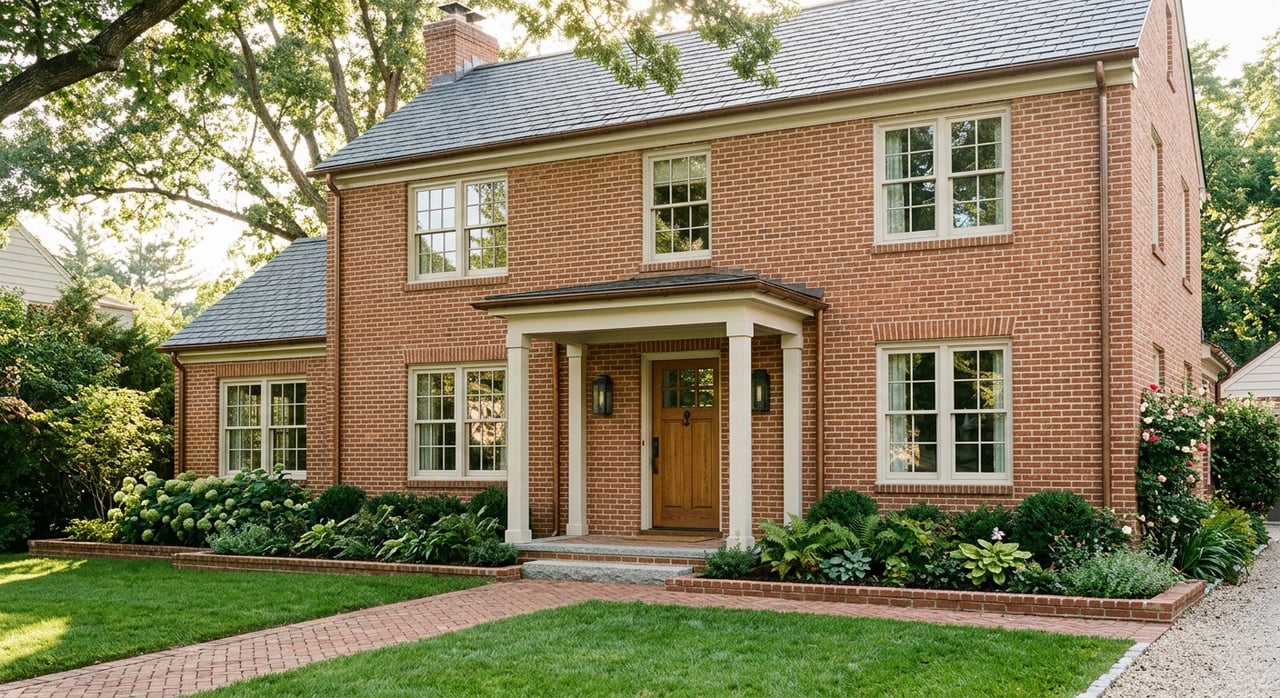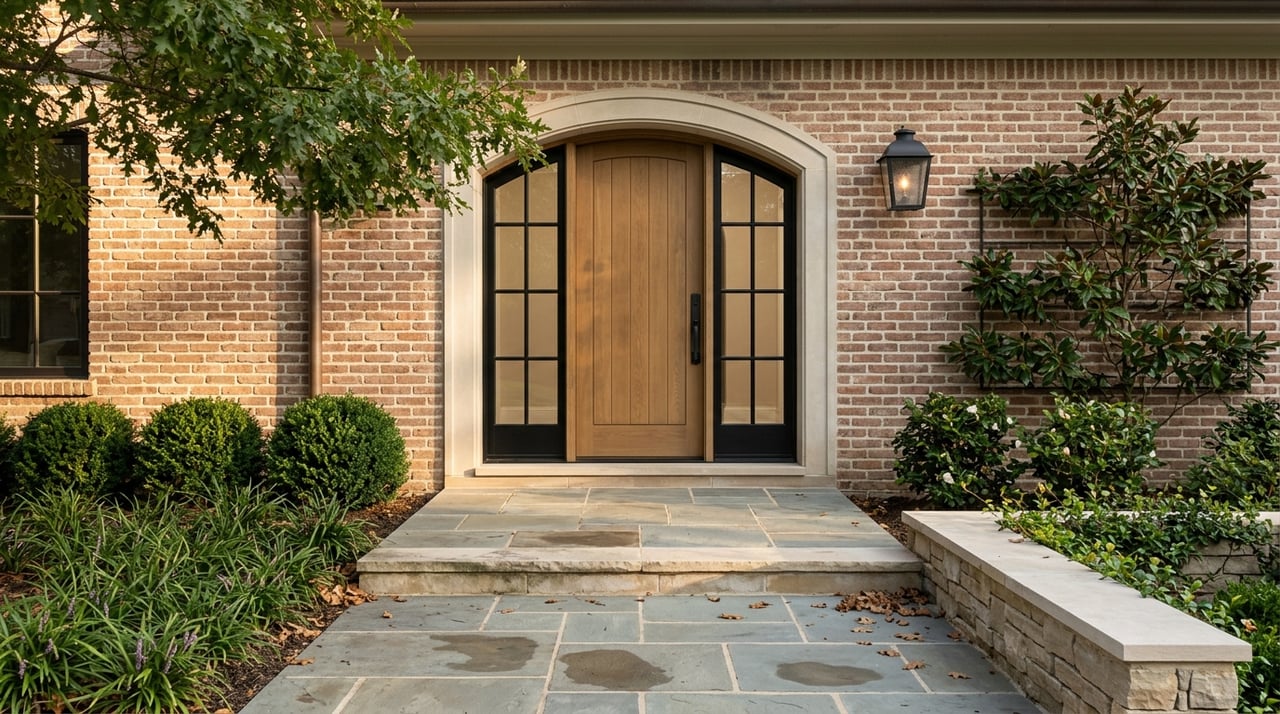
Thinking about selling your Buckhead home and wondering how to time it, price it, and present it so it stands out? You are not alone. Luxury and near‑luxury sales in Buckhead are nuanced, and small decisions can move the needle on time to sale and final price. In this guide, you will learn how Buckhead’s tiers work, how to set a smart price band, what to invest in for presentation, and when to launch for maximum impact. Let’s dive in.
Buckhead luxury market at a glance
Buckhead is not a one‑number market. It includes everything from renovated bungalows and high‑rise condos to gated estates in Tuxedo Park, West Paces Ferry, Paces, and Chastain Park. Different data providers define “Buckhead” in different ways, so published medians can vary widely. The takeaway for a luxury sale is simple: your price should be built from tight, MLS‑backed comparables in your micro‑area and tier, not from a single neighborhood median.
You can also take confidence from recent headline sales. Local reporting shows multi‑million‑dollar estate closings in Buckhead that confirm strong buyer appetite for exceptional properties. If you are listing a trophy home, these top sales help illustrate the ceiling for quality and location. You can see examples of that demand in Buckhead’s recent top sales coverage.
Price strategy by tier
For practical planning, it helps to think in segments:
- Entry‑luxury or near‑luxury: roughly $1.0M to $2.8M for many single‑family homes.
- Upper‑luxury: roughly $2.8M to $5M, often larger lots and designer finishes.
- Ultra‑luxury: $5M+ custom or historic estates with a smaller, often national or international buyer pool.
Each tier has a different buyer mix, absorption pace, and marketing playbook. Your pricing and timing should reflect which pool you are targeting and how much uniqueness your home brings.
How to choose and present comps
Finding clean comps gets harder as homes become more unique. Large lots, architectural pedigree, guest houses, specialty systems, and curated landscapes can make two nearby estates hard to compare. In practice, you start with the smallest relevant radius and expand to comparable prestige streets when you need more data. Appraisers and seasoned brokers document every meaningful adjustment and often use multiple approaches to check reasonableness. The Appraisal Institute’s guidance reflects this real‑world process.
When you price, present a price band instead of one number:
- Ambitious but defensible list price focused on margin.
- Expected sale price based on the most relevant comps.
- Accelerated price if you prioritize speed.
This helps you make clear trade‑offs between time on market, carrying costs, and net proceeds before launch.
When to consider a pre‑list appraisal
If your home is truly one‑of‑a‑kind or you expect a financed buyer with a jumbo loan, a pre‑list appraisal can reduce the risk of an appraisal shortfall. It also gives buyers and lenders confidence in the value. See the Appraisal Institute’s standards for context on methodology and documentation best practices. That extra verification can remove friction later in the deal. You can read more about appraisal approaches in the Appraisal Institute’s guide notes.
Presentation that wins at luxury price points
Your first showing happens online. At the luxury level, buyers expect a design‑forward experience that is beautiful, accurate, and complete.
Staging that moves the market
Staging helps buyers read space, scale, and flow, both in person and on camera. According to the National Association of REALTORS®, agents reported that staging often reduces time on market, and many saw a 1% to 10% increase in offer amounts when homes were staged. The highest‑impact rooms are the living room, primary bedroom, and kitchen. See the key findings in NAR’s report on how staging boosts prices and reduces time on market.
Luxury staging budgets can vary widely. Many projects invest in furniture rental, art, landscape refresh, and concierge touchpoints. The right number depends on your tier, target buyer, and expected return. Your listing plan should tie each line item to a clear value goal.
Premium media and property storytelling
High‑end buyers scan fast and shortlist quickly. Listings with professional photos, 3D tours, and cinematic video drive more views and leads than basic photography alone. For luxury listings, plan for drone, twilight shoots, floor plans, and a dedicated property microsite. Industry media data supports that these upgrades improve engagement and speed to offer. See examples of performance lift in professional media benchmarks.
Distribution, privacy, and off‑market options
Some sellers want the widest global exposure. Others prefer a quiet process with curated outreach. Both can work in Buckhead. The right path depends on your property’s story, your privacy needs, and which distribution strategy best reaches the most likely buyer. Ask your agent to map the trade‑offs in writing so the plan fits your goals and timeline.
Timing your launch in Buckhead
Seasonality matters, but it is not the whole story. Nationally, aggregated studies show late spring, especially May, often delivers the strongest seller premiums, and June is frequently cited for faster sales. That said, luxury demand can be driven by relocation cycles, school calendars, corporate moves, and tax planning, so your best week might not match a national chart. For context, review national timing takeaways in Bankrate’s seasonality analysis, then tune your date to active comps and buyer activity in your tier.
Here is how to think about strategy:
- If your home fits the near‑ or upper‑luxury pool and aligns with spring landscaping and light, a late spring launch can maximize curb appeal and buyer traffic.
- If you are in the ultra‑luxury set with a smaller buyer pool, timing may hinge more on aligning with high‑net‑worth travel and availability, plus off‑market previews that set the stage before a public debut.
Pricing tactics that support your timing
- Price to compete, not to chase. At luxury price points, precision beats gamesmanship. Know your price band and pair it with a launch plan that keeps you inside the top two or three choices in your buyer’s set.
- Watch the first 7 to 14 days closely. If qualified showings lag, respond with a surface refresh, media upgrade, or a measured price change before staleness sets in.
- Set clear offer‑review rules if you expect early interest. A simple, written protocol keeps leverage high and missteps low.
Your 6–12 week pre‑list plan
A structured runway protects your timeline and your net. Use this checklist as a starting point and tailor it to your tier.
Weeks 6–12: Prep and positioning
- Schedule a full walk‑through with a luxury‑market listing specialist. Document finishes, systems, maintenance history, and warranties so your property book is complete.
- Order a pre‑list inspection. Add specialist inspections for unique systems like roof, pool, structural, or HVAC. This reduces renegotiation risk. Review inspection best practices with your agent and, when needed, your attorney.
- Consider a pre‑list appraisal if your property is unique or you expect a jumbo‑financed buyer. Align on how you will use it during negotiations and lender review. See appraisal standards context from the Appraisal Institute.
- Scope staging. Decide which rooms get full staging, light styling, or virtual staging if a space is vacant. NAR’s staging report highlights the rooms with the biggest impact; you can review the findings here.
- Book premium media. Reserve photography, drone, twilight, floor plans, and 3D tours. Plan a curb‑appeal tune‑up and exterior lighting for twilight sessions. See what strong media packages deliver in these professional media stats.
Weeks 1–3: Launch and early market
- Build your property microsite and printed property book. Draft targeted email, social, and press outreach. If privacy is a priority, set up private previews for qualified buyers before going broad.
- Distribute your media package to core channels and your agent’s luxury networks. Keep a lead log so you can see which channels convert to quality showings.
- Establish a simple offer‑review plan. For example, set a defined first review window if activity is strong. Keep your plan flexible based on live feedback.
Georgia disclosures and legal notes
Georgia is known as a buyer‑beware state, which means there is no single statewide, mandatory seller disclosure form by statute. That does not mean sellers can stay silent. You and your agent must avoid misrepresentation, and you should disclose known material defects when required. Many agents still use a Seller Property Disclosure form as a best practice to reduce post‑closing disputes. For high‑value transfers, speak with an attorney about your specific obligations. You can review an overview of Georgia practices in this Nolo summary of state disclosure law.
Who your buyer may be in Buckhead
Expect a mix of local move‑up buyers, domestic relocations, and a meaningful share of out‑of‑state or international buyers at the very top. National reporting shows international purchasers tend to have a higher cash share, which can shorten timelines, but many high‑end purchases also use jumbo financing that requires full appraisals and added lender review. For a quick read on international buyer patterns, scan the NAR international transactions report.
What this means for you:
- Prepare for cash and financed offers. A documented valuation story helps both.
- Expect thorough due diligence. Have inspection reports, disclosures, and service records organized and ready.
- Align your marketing to reach beyond Atlanta when the property calls for it. Trophy listings often require national and international reach to unlock full value.
How Team RR elevates your sale
At the luxury and near‑luxury level, you need more than a sign in the yard. You need a plan that ties design, data, and distribution into one story. Our team pairs architectural insight with premium production so your home is presented with precision. We build price bands from the right comps, stage the highest‑impact rooms, invest in top‑tier media, and match distribution to your privacy and performance goals.
Ready to map your sale? Connect with Rich Richardson for a data‑driven pricing and launch plan, plus a design‑minded strategy to maximize your net. Get your instant home valuation.
FAQs
When is the best time to sell a luxury home in Buckhead?
- National studies often point to late spring for higher premiums and June for faster sales, but your best week depends on active comps, buyer travel, and your tier; use national context from Bankrate and then fine‑tune with local data.
Will staging really pay off for my Buckhead listing?
- Yes, many agents report faster sales and a 1% to 10% lift in offers when homes are staged, with the living room, primary bedroom, and kitchen delivering the biggest impact.
How should I price a unique Buckhead estate with few comps?
- Build a price band from the closest prestige comps, document adjustments, and consider a pre‑list appraisal to support buyer and lender review when financing is likely.
Should I market off‑market first or go public right away?
- It depends on your privacy needs and buyer pool; trophy properties may start with curated previews before a broad launch, while near‑ and upper‑luxury homes often benefit from full public exposure.
What disclosures are required when selling a home in Georgia?
- Georgia follows buyer‑beware principles, but you must avoid misrepresentation and disclose known material defects when required; many sellers use a disclosure form and consult an attorney on high‑value sales.