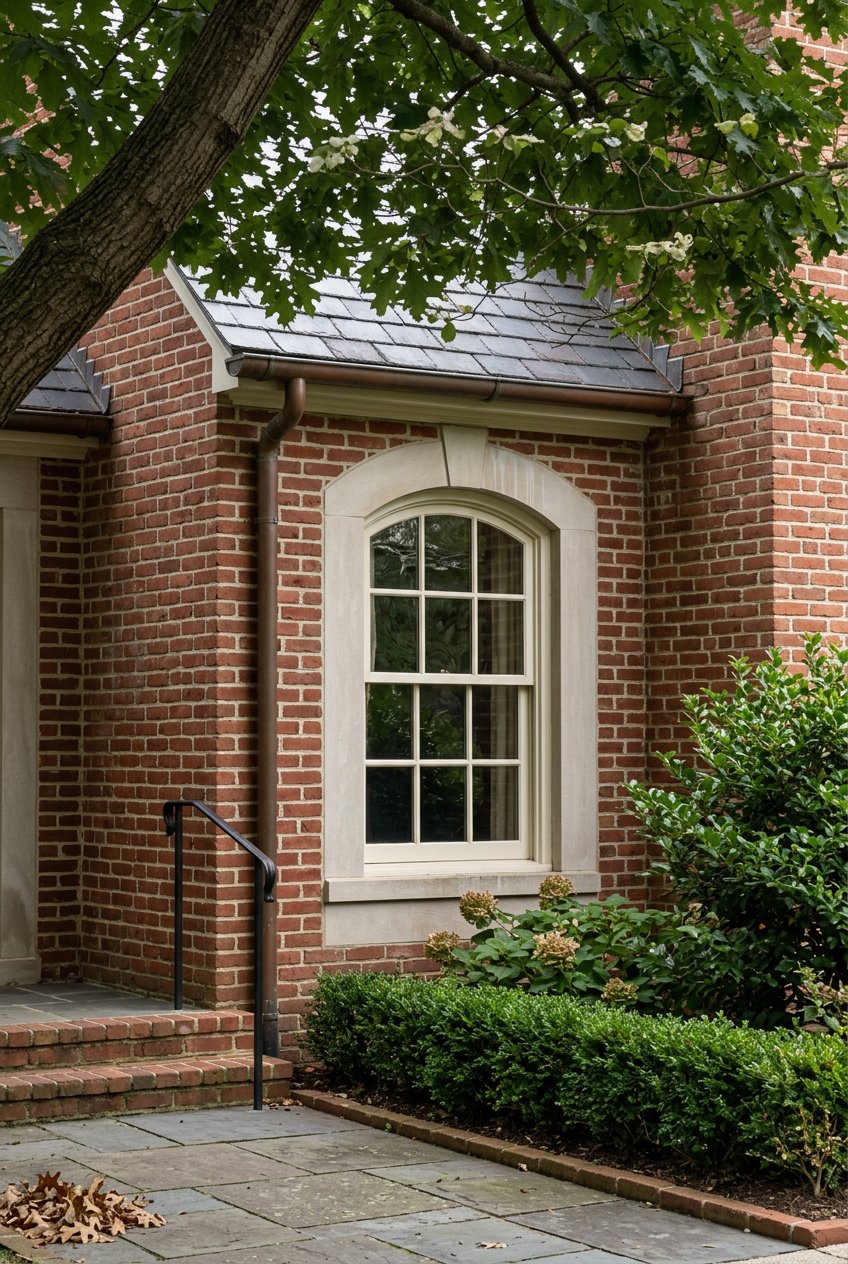
If you love character homes and tree‑lined streets, Ansley Park delivers both. This early 20th‑century garden suburb blends graceful architecture with an intown address, which is why design‑minded buyers keep it at the top of their list. In this guide, you’ll learn how to read the neighborhood’s key styles, what floor plans mean for renovations, which aging‑home issues to watch, and how local preservation rules work. Let’s dive in.
Why Ansley Park appeals
Ansley Park was laid out beginning in 1904 as a planned garden suburb with curving parkways and integrated pocket parks. The neighborhood is listed on the National Register of Historic Places, with documentation that highlights its early‑20th‑century house types and landscape design. You can explore the official context in the National Register documentation for the Ansley Park Historic District. According to the National Register nomination, it retains a high concentration of architect‑designed homes from the 1910s through the 1930s.
One important note for buyers: the National Register listing is primarily honorific. It recognizes significance but does not, by itself, regulate private changes. Local historic designation through the City of Atlanta is what can trigger design review and Certificates of Appropriateness for exterior work visible from the street. For permitting basics and process, review the City’s guidance on zoning and development services and the Urban Design Commission. City of Atlanta permitting and UDC overview.
Finally, preservation conversations are active here. Community groups have voiced concerns about teardowns and out‑of‑scale infill. The neighborhood has appeared in statewide advocacy spotlights, which signals genuine interest in thoughtful design outcomes. See the context in the Georgia Trust’s Places in Peril write‑up.
Know the styles you’ll see
Ansley Park’s variety is a big part of its charm. Recognizing style cues helps you assess what is likely original, what was added later, and how a house might live day to day. The National Register nomination catalogs the major types; below are quick visual fingerprints and plan hints.
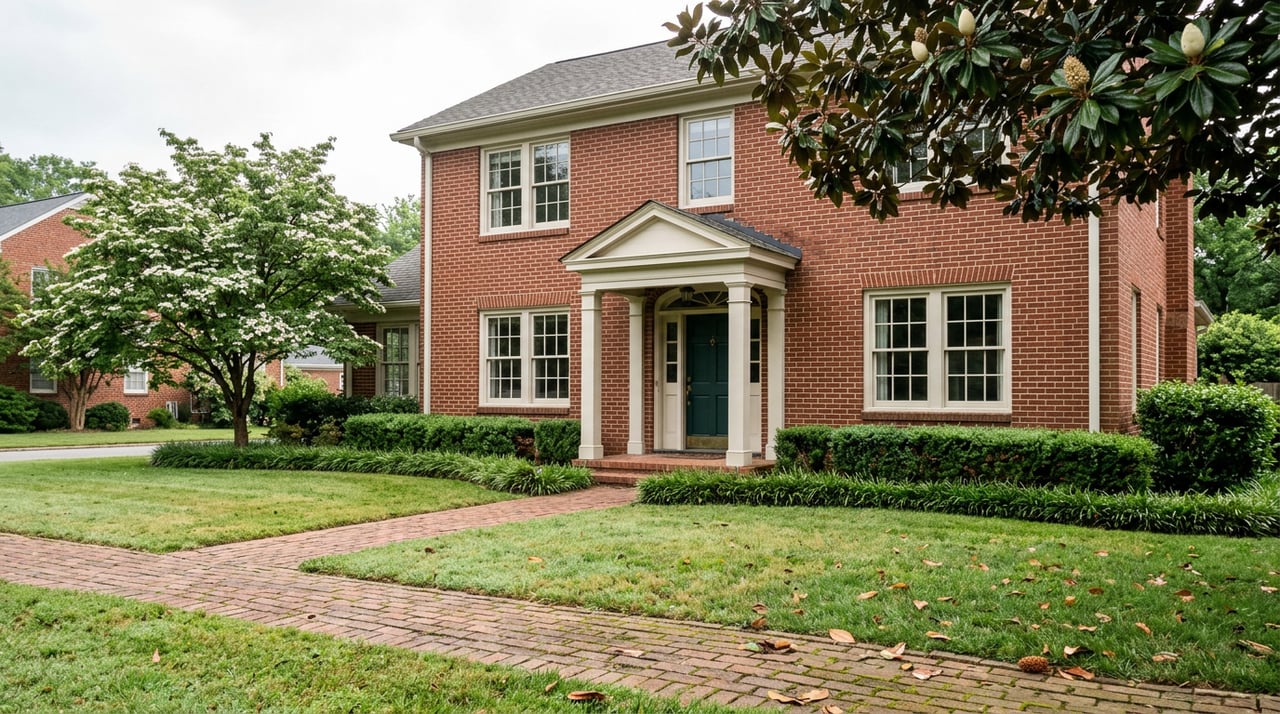
Colonial Revival and Classical Revival
- Exterior cues: symmetrical façades, columned porticos or classical porches, multi‑pane double‑hung windows.
- Plan feel: center‑hall arrangements with formal living and dining rooms, often with paired parlors.
- Buyer takeaway: these homes usually accept rear additions well, so you can open up service areas or add a family room without changing the street face.
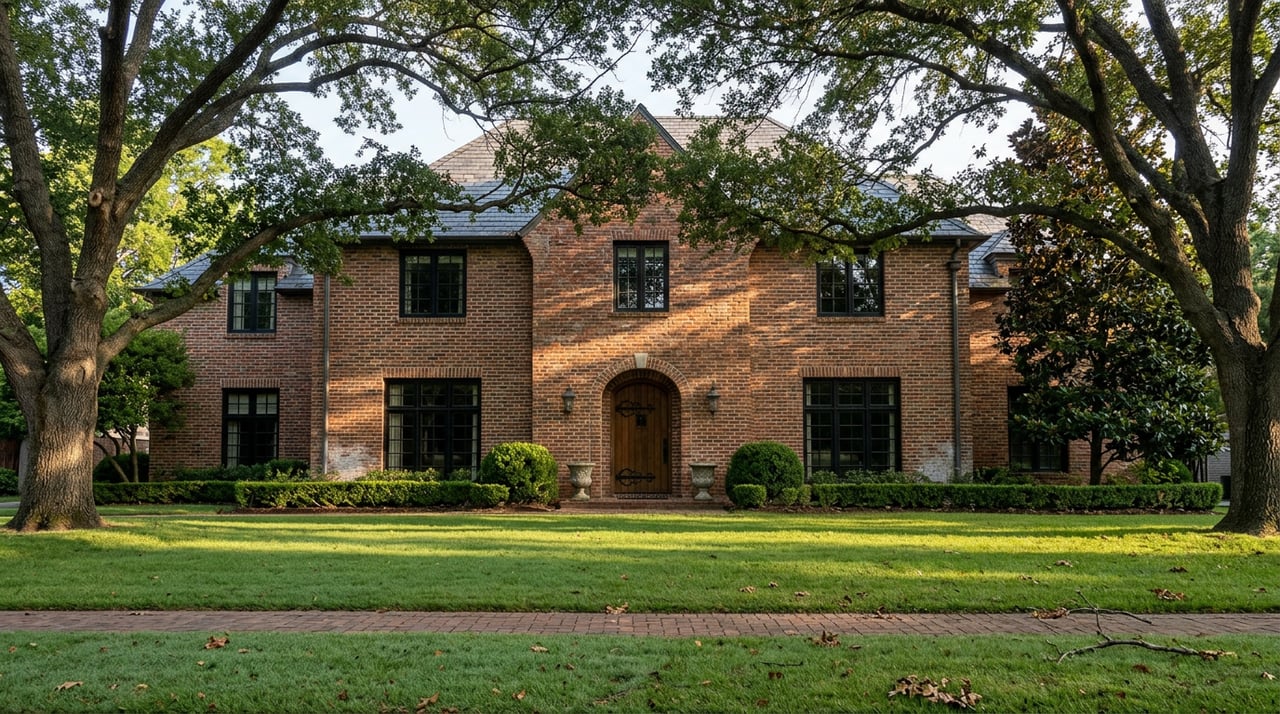
Tudor Revival and English Vernacular
- Exterior cues: steeply pitched gables, decorative half‑timbering, brick or stone cladding, tall chimneys, arched doorways.
- Plan feel: more asymmetry and defined rooms rather than fully open plans; multiple fireplaces are common.
- Buyer takeaway: respect the rooflines and picturesque massing when enlarging; rear or side‑yard additions that tuck under existing gables tend to feel most natural.
Mediterranean, Mission, and Spanish Revival
- Exterior cues: stucco or masonry walls, clay or red‑tile roofs, and arched openings.
- Plan feel: often higher‑style, individually designed homes with formal rooms and gracious circulation.
- Buyer takeaway: materials and detailing carry the look. When renovating, choose compatible stucco finishes, clay tile profiles, and window proportions.
Bungalow and Craftsman
- Exterior cues: low‑pitched roofs, broad front porches under the main roof, exposed rafters, tapered porch supports.
- Plan feel: more open living and dining connections, with kitchens that were typically compact by today’s standards.
- Buyer takeaway: kitchens are frequent upgrade zones; many homes have been expanded at the rear. Look for preserved built‑ins and original trim.
American Foursquare
- Exterior cues: boxy two‑story massing, hipped roof with a central dormer, full‑width front porch.
- Plan feel: a practical “four‑over‑four” room pattern or a center‑hall variant that adapts well to modern living.
- Buyer takeaway: foursquares are renovation‑friendly. Opening the first floor and creating en‑suite bedrooms upstairs are common and feasible changes. For background on these plan types, see this overview of early plan catalogs and house types from ThoughtCo. House plan catalogs context.
Floor plans and renovation potential
Revival‑style homes from the late 19th and early 20th centuries often feature center halls or formal room sequences at the front. The good news is that these layouts usually allow you to rework rear service zones, add a family room, or connect to outdoor living without altering the primary façade. That can be a win for both design character and, where applicable, historic review.
Bungalows and Craftsman houses tend to start with a more open living‑dining relationship but smaller kitchens. American Foursquares are especially adaptable, with straightforward structural grids that can support opening up the first floor. In all small‑house and cottage variants, additions require careful attention to rooflines, porch rhythms, and site grading so the new work feels integrated. The National Register nomination notes that rear‑biased additions that respect original massing are both common and most successful in this district. You can review that context in the National Register documentation.
What to watch in older construction
Historic homes reward you with craftsmanship and presence. They also require clear eyes on systems, structure, and moisture. During due diligence, consider the following common flags and add‑on inspections.
- Electrical: watch for knob‑and‑tube wiring, ungrounded circuits, outdated panels, and undersized service. These issues can affect insurance and often require significant upgrades. A licensed electrician should evaluate panel capacity and hidden wiring. See common hazards in this Atlanta‑focused overview from RS Andrews.
- Plumbing and sewer: older galvanized water lines or cast‑iron sewer laterals can corrode or invite root intrusion. A sewer‑scope inspection is a smart add‑on for older properties.
- HVAC: many homes predate central air. Confirm equipment ages, duct routing, and whether any historic fabric was compromised during past installations.
- Foundation, crawlspace, and grading: Atlanta’s clay soils and rolling lots can create settlement and moisture challenges. Look for high crawlspace humidity, sill‑plate rot, and evidence of past piers or underpinning. Encapsulation and dehumidification are common remedies. Learn more about local crawlspace approaches from 58 Foundations.
- Termites and wood‑destroying insects: Georgia’s climate keeps termite pressure high. Order a WDI inspection and review any active termite bond.
- Roofs, flashing, and trim: layered roofing, incompatible replacement windows, or mismatched siding can erode historic character. Confirm materials and detailing before you buy.
- Unpermitted work: older homes often have past additions or interior reconfigurations. Verify permits and, where applicable, Certificates of Appropriateness in City records. Start with the City of Atlanta’s permitting and code guidance.
Practical add‑on inspections to request:
- Sewer‑scope camera review.
- Licensed electrician evaluation and panel testing. For context on what they check, see RS Andrews’ inspection guide.
- Structural or crawlspace assessment if you see settlement or moisture, informed by best practices like those from 58 Foundations.
- WDI (termite) inspection.
Preservation and permits
Understanding the difference between recognition and regulation is essential.
- National Register status: The National Register listing documents why Ansley Park is significant. It does not automatically regulate private changes. Get the full background in the National Register nomination.
- Local historic designation: Within the City of Atlanta, a local historic district or landmark designation is what triggers Urban Design Commission review and a Certificate of Appropriateness for many exterior changes visible from the street. Always verify parcel‑level status with Planning and the UDC. Refer to the City’s guidance on the UDC and permitting process.
- Neighborhood engagement: Expect active neighborhood interest in design outcomes. The Ansley Park Civic Association can share context on prior COAs and preservation initiatives. Visit the APCA facts and history page.
- Incentives: Georgia offers a State Rehabilitation Tax Credit for certified rehabilitation that meets program standards, with caps and specific rules. If you are planning a historically sensitive rehab, start early with the Georgia Department of Natural Resources. Review the State Rehabilitation Tax Credit fact sheet.
Ansley Park buyer checklist
Use this quick checklist to organize your due diligence and keep your project on track.
- Confirm designation status for the specific parcel.
- Ask whether the house is a contributing resource in the National Register district and whether it falls under a City of Atlanta historic overlay or local landmark. Request any past COAs. Start with the City’s UDC and permitting overview and the National Register documentation.
- Hire an inspector experienced with older homes and add targeted inspections.
- Include sewer scope, WDI, electrical, structural, and HVAC evaluations. Use written reports to estimate near‑term costs.
- Verify permits and plans.
- Request seller disclosures, past permits, and any COAs or UDC decisions for major work. Confirm whether additions were permitted.
- Get specialist estimates before waiving contingencies.
- Price likely upgrades such as full rewiring, plumbing replacements, foundation stabilization, and HVAC updates. For electrical scope examples, see RS Andrews’ guidance.
- Connect with neighborhood resources.
- Reach out to the Ansley Park Civic Association for context on preservation priorities and local patterns.
- Explore tax credit options if applicable.
- If you plan a certified rehabilitation, review the Georgia DNR program fact sheet and speak with staff early.
Putting it all together
Ansley Park rewards buyers who read the architecture, respect original massing, and plan upgrades with care. If you value classic styles, mature landscapes, and an intown setting, you can find a home that lives beautifully today with the right improvements. The smartest path combines a design‑aware search, targeted inspections, and a clear understanding of permit rules and neighborhood expectations.
If you want a design‑informed plan for buying in Ansley Park, let’s talk. Our team pairs architectural perspective with calm, high‑touch guidance so you can buy with confidence and enjoy the process. Start the conversation with Rich Richardson.
FAQs
What makes Ansley Park architecturally significant?
- It is a planned early 20th‑century garden suburb with curving parkways, pocket parks, and a rich mix of revival styles documented in the National Register nomination.
Does the National Register listing restrict renovations?
- No; recognition is honorific. Local historic designation is what triggers Urban Design Commission review and a Certificate of Appropriateness for many exterior changes, per the City of Atlanta’s permitting and UDC guidance.
Which Ansley Park styles are most renovation‑friendly?
- Foursquares and many Colonial Revival homes accept rear additions well, while bungalows often need kitchen expansions; success depends on respecting original rooflines and massing noted in the National Register documentation.
What inspections are critical for older Ansley Park homes?
- Beyond a general inspection, add a sewer scope, WDI report, licensed electrician review, and a structural or crawlspace assessment; see examples of electrical red flags from RS Andrews and local moisture guidance from 58 Foundations.
Are there tax credits for renovating a historic home here?
- Georgia’s State Rehabilitation Tax Credit can apply to certified projects that meet standards and program rules; review the Georgia DNR fact sheet and consult early.