You get only one chance to make a strong first impression online, and your photos do the heavy lifting. In Decatur, where Craftsman and bungalow homes shine, your porch, woodwork, and built-ins are not just charming. They are your selling points. This guide gives you a clear, design-led checklist to make your home photo-ready, with tips tailored to Decatur’s architecture, light, and climate. Let’s dive in.
Why Decatur details matter
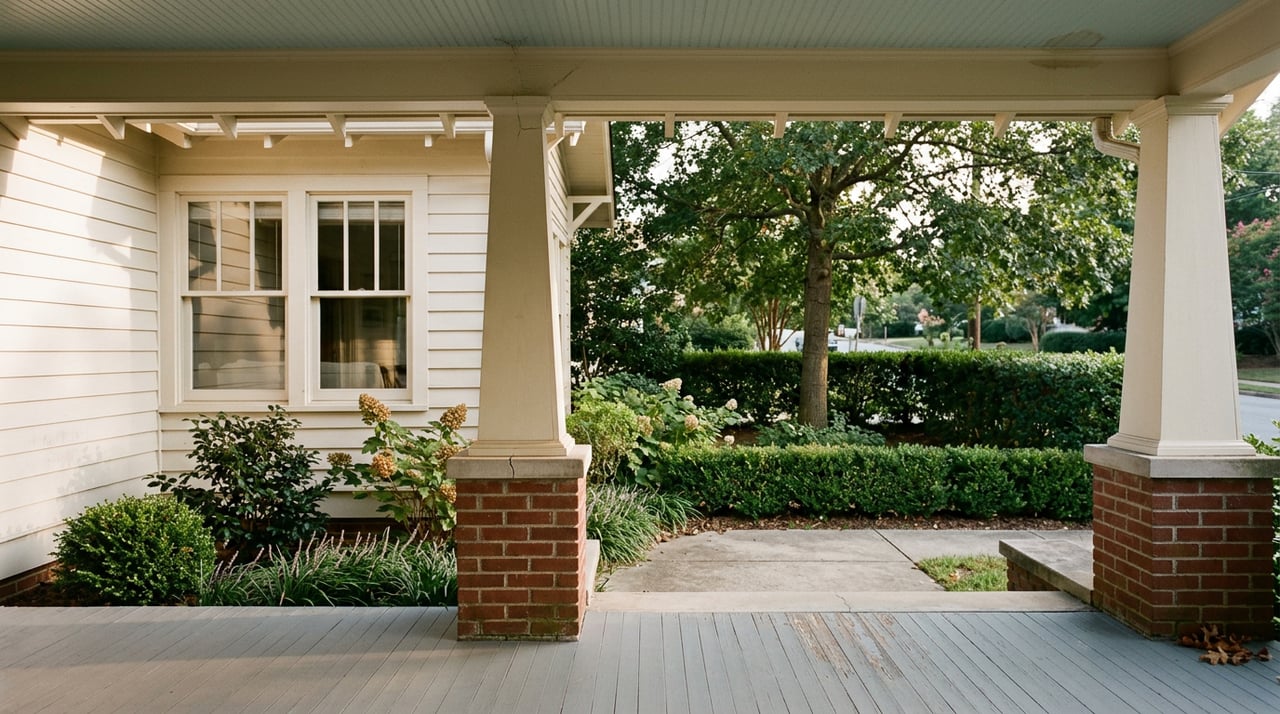
Decatur has a large collection of early-20th-century Craftsman and bungalow homes with signature details like generous front porches, tapered columns, exposed rafter tails, multi-pane windows, and built-in cabinetry. These features are the reason many buyers search in this area. Your photos should lean into that story and make original woodwork, fireplaces, and porch living the focus.
Decatur’s humid subtropical climate affects timing and prep. Spring growth and summer humidity can change landscaping fast, and pollen can collect on porches and windows. Plan exterior images just after a cleanup and avoid peak pollen when possible.
Neighborhood appeal is part of the value proposition here. Buyers often prioritize porch culture, tree-canopy streets, and historic character. Including a few context images from the porch or sidewalk helps buyers connect with the home’s setting, not just its square footage.
If your home sits in a local historic district, be mindful of preservation guidelines. Permanent exterior changes like paint colors, columns, or signage can require review. For photography, stick to reversible staging and consult local rules before altering visible exterior elements.
Showcase Craftsman character
Features to highlight
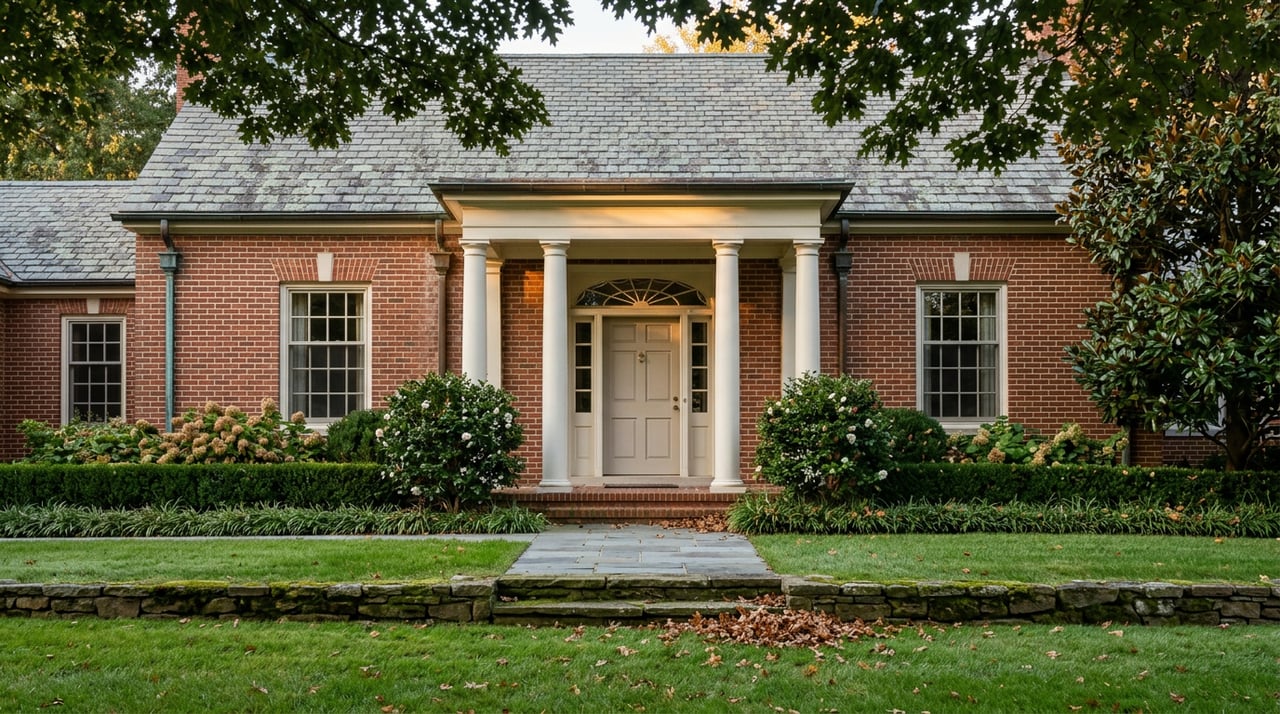
- Front porch and approach: Aim for three-quarter angles that include steps, tapered columns, the entry, and tidy landscaping.
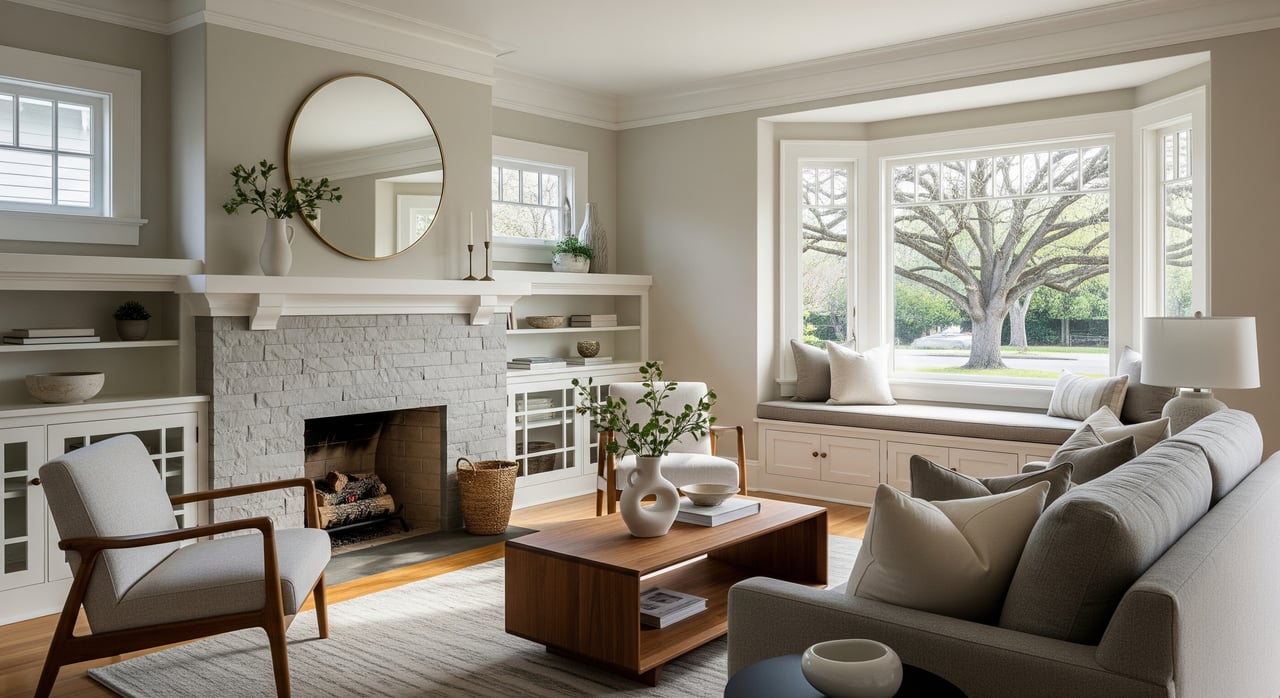
- Built-ins and millwork: Feature fireplaces, window seats, bookcases, wainscoting, and divided-light windows with both context shots and a few close-ups.
- Original materials: Show exposed beams, natural-stain trim, hardwood floors, and brick or stone details.
- Cozy proportions: Bungalows are loved for human-scale rooms. Emphasize flow and function rather than trying to force a “bigger than it is” feel.
Furnishing and scale
- Choose low-profile seating that suits room size. Avoid oversized sectionals that block built-ins or windows.
- Use rugs to define areas without covering too much original flooring.
- Stage porches with a simple seating vignette to sell outdoor living.
Finishes and palettes
- Craftsman palettes skew earthy and muted. If repainting, select neutral tones that complement woodwork rather than stark whites that can fight warm trim.
- Ensure trim is clean and consistent. Natural stains or warm-neutrals usually photograph better than high-contrast paint.
Protect versus update
- Preserve original finishes when possible. Clean, repair, and refinish instead of replacing.
- Make small, reversible updates for big photo impact. Consider subtle modern light fixtures, new hardware, and daylight-balanced LED bulbs for consistency.
Photo strategy that works
Light your home
- Maximize daylight. Schedule interiors for bright, even light from mid-morning to mid-afternoon. Avoid harsh direct sun that creates strong shadows.
- Keep color temperatures consistent. Either turn off interior lights and use daylight, or swap in daylight-balanced LEDs so your photographer can match sources.
- Open window treatments fully. Sheers can help diffuse bright light while maintaining privacy.
- Plan exteriors for golden hour or overcast skies. Golden hour flatters porches and façades. Overcast can give even light and rich color.
Composition basics
- Keep camera height around 4 to 5 feet to feel natural and human-scaled. Slightly lower for kitchens can show counters and surfaces better.
- Shoot from corners to show depth and flow through historic rooms.
- Keep vertical lines straight. Correct keystoning so walls and door frames don’t feel distorted.
- Use wide-angle lenses thoughtfully. Wider helps show space but avoid extreme distortion.
- Bracket exposures when needed. This helps balance bright windows with interior details.
- Define a set of hero images: front exterior and porch, entry, living room, kitchen, primary bedroom, a key bath, backyard or garden, plus an overview or floor-plan style shot.
Small updates with big impact
- Deep clean: wood trim, windows inside and out, fixtures, floors, and grout.
- Repair and refresh: tighten cabinet hardware, re-caulk tubs, touch up baseboards, fix cracked tiles.
- Lighting: clean fixtures and replace dim or mismatched bulbs with daylight-balanced LEDs.
- Floors and rugs: refinish or deep-clean hardwood. Use right-sized rugs to anchor spaces.
- Simple styling: add a few period-appropriate accents like a single vase or neat throw pillows.
- Hide the clutter: tuck cords, routers, and personal items out of sight.
Remove versus feature
- Remove always: personal photos, paperwork and mail, pet bowls, litter boxes, trash cans, excess small appliances, visible cords, laundry, and cars in the driveway.
- Remove for photos: extra rugs or furniture that block features, large holiday decor, or neon-bright items that distract.
- Feature always: built-ins, original trim, fireplaces, stained or multi-pane windows, porch seating, quality flooring, and period-appropriate fixtures.
- Feature strategically: tidy landscaping, a simple porch scene, a clean dining setup, and a neatly made bed with neutral, textured bedding.
Room-by-room checklist
Front porch and entry
- Sweep, clean steps, and remove cobwebs. Put away hoses, tools, and bins.
- Stage with one or two chairs and a small table. Keep it balanced and light.
- Refresh the entry: clean doormat, polished hardware, and a functioning porch light.
- Consider a warm, early-evening shot with the porch light on for an inviting glow.
Living room or parlor
- Clear clutter and remove extra furniture to reveal fireplace or built-ins.
- Open blinds and curtains. If safe, remove window screens for a cleaner view of divided panes.
- Use a rug to define seating but let wood floors show.
- Shoot angles that highlight millwork and window details.
Kitchen
- Clear counters of dishes and small appliances. Leave one or two clean, photogenic items like a bowl of fruit.
- Clean sink, faucet, and hardware. Hide soaps and sponges.
- Stage any breakfast nook to show daily function and flow to adjacent rooms.
- Align cabinet doors and drawers for a crisp look.
Primary bedroom
- Use neutral bedding with texture. Keep nightstands simple with a lamp and one item.
- Remove personal items and tidy closets that may show in frame.
- Open window coverings for natural light and shoot from corners to show size and layout.
Bathrooms
- Clear counters and store toiletries. Clean mirrors, glass, and tile thoroughly.
- Use a fresh, neutral shower curtain if needed.
- Add a single plant or rolled towels for a spa-like touch without clutter.
Built-ins, nooks, and fireplaces
- Style shelves sparsely with a few books or decor items to show scale.
- Clean the hearth and surround. If a screen blocks the view, remove it for the shot when safe.
Exterior and landscaping
- Mow, edge, trim hedges, and rake leaves. Remove toys, tools, and hoses from view.
- Clean gutters and downspouts that show.
- Capture an angled three-quarter view that includes the porch and roofline.
- If parking is tight, move cars and adjust angles to keep vehicles out of the frame.
Neighborhood context
- Include one or two images showing the street, sidewalk, tree canopy, or a nearby park. Keep addresses and license plates out of focus or blur in post.
Timeline and coordination
- Schedule a pre-shoot walk-through to flag repairs, cleaning, and staging needs.
- Book interiors for bright, even daylight and exteriors for golden hour or overcast.
- Have someone on-site to handle last-minute items like pet bowls, cords, and misplaced objects.
Local rules and resources
- Historic preservation: Many Decatur neighborhoods are subject to local preservation guidelines. Before changing paint colors, columns, shutters, or adding exterior signage, review the rules and seek approvals when required. For photos, stick with reversible staging.
- HOA and covenants: If your property has HOA rules, confirm what is allowed for visible temporary staging or signage.
- Local pros: Look for stagers and photographers experienced with historic homes, especially Craftsman and bungalow styles. Seasonal landscaping, pressure washing, and professional cleaning can deliver high-impact results in photos.
A thoughtful, architecture-aware plan will help your Decatur home look its best online and in person. If you want an experienced eye to guide the process from walk-through to final shoot, Team RR blends design insight with production-level marketing to position your home beautifully. Reach out to Rich Richardson to plan a photo-ready launch.
FAQs
When should you photograph a Decatur home?
- Aim for interiors during bright, even daylight and exteriors at golden hour or on overcast days, and try to avoid peak pollen or schedule right after a thorough exterior cleanup.
How do you stage a Craftsman living room for photos?
- Center the composition on the fireplace or built-ins, use low-profile seating, open window treatments to highlight divided panes, and keep a rug sized to define seating without hiding floors.
What should you remove before listing photos?
- Take out personal photos, paperwork, pet items, trash cans, extra small appliances, visible cords, and any clutter; also remove cars from the driveway for the front exterior shot.
Do you need to repaint before photography?
- Not always; prioritize touch-ups and choose warm, neutral tones that complement original woodwork if repainting is necessary, focusing on consistency and cleanliness.
Can you change exterior features in a historic district?
- Permanent exterior changes may require review; for photography, stick to reversible staging and consult local preservation guidelines before altering visible elements.