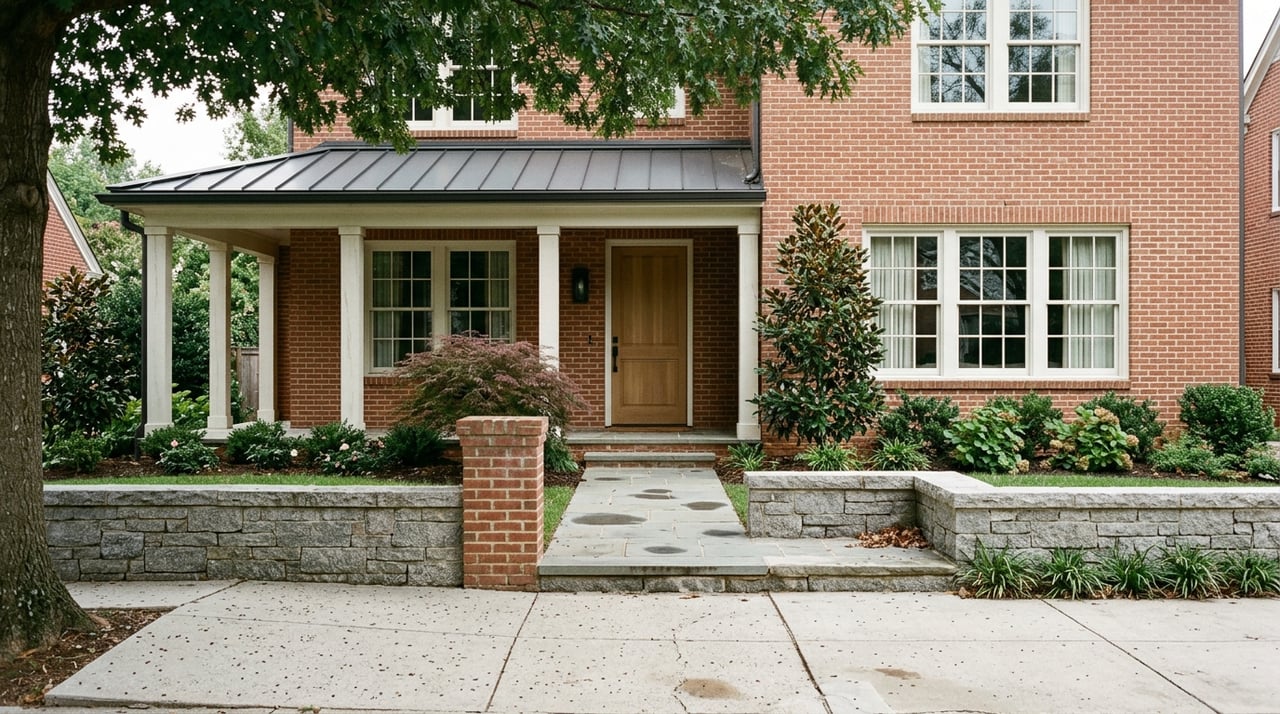
Wondering where you can actually enjoy a walkable lifestyle in Decatur, not just live near a map pin that says “close to downtown”? If you are hoping for coffee shops, restaurants, greenspace, and daily convenience within reach, Decatur stands out because walkability here is built into the city’s layout, not added as an afterthought. This guide will help you understand how Decatur’s main intown neighborhoods function day to day, what kinds of homes you’ll find, and how to think about fit if walkability is high on your list. Let’s dive in.
Why Decatur Feels So Walkable
Decatur is a small city with a compact footprint. According to the City of Decatur, it covers 4.7 square miles and sits about six miles east of downtown Atlanta. That scale matters because it helps explain why many homes, parks, and commercial areas feel genuinely connected.
The city also points to more than 60 miles of sidewalks, a Gold Level Walk Friendly Community designation, and a planning goal that every resident should live within a half-mile, or about a 10-minute walk, of greenspace. In practical terms, that means walkability in Decatur is not limited to one downtown strip. It extends across several neighborhood nodes.
Transit adds another layer of convenience. The City of Decatur says there are three MARTA rapid transit stations within city limits, including Decatur Station in the center of downtown and Avondale Station to the east. That gives you a mix of walking, transit, and parking options rather than a lifestyle that depends on being fully car-free.
The Square: Decatur’s Urban Core
If you want the most urban-feeling address in Decatur, start with The Square. The city describes it as a 15-block walkable district with more than 1.5 million square feet of commercial space, dozens of unique retailers, and more than 45 restaurants. It is the clearest example of a place where errands, dining, and social plans can happen within a few blocks.
Another major advantage is transit access. MARTA’s Decatur Station sits directly below the public square, which makes this area especially appealing if you want a car-light routine or an easier commute into Atlanta. For many buyers, this is the strongest match if the goal is maximum convenience with a downtown atmosphere.
Housing around The Square tends to include condos, apartments, and nearby homes that give you access to the commercial core. If your priority is being close to the action, this area often rises to the top of the list. If you prefer quieter blocks and more separation from retail activity, you may want to look just outside the center.
West Ponce: Daily Convenience With Flexibility
West Ponce offers a different kind of walkable lifestyle. Running from Commerce Drive to Water Street, this corridor is described by the city as a breakfast-to-dinner district with coffee, shopping, fitness studios, restaurants, and other neighborhood services. It feels practical, active, and easy to use on a daily basis.
This area also reflects how Decatur has evolved. The city notes that condos and apartments have expanded the housing mix beyond the adjoining single-family neighborhoods. That gives you more options if you want walkability without being directly in the downtown core.
For buyers, West Ponce works well when the goal is simple access to everyday needs. You may not get the same central civic feel as The Square, but you do get a strong mix of convenience and neighborhood connection.
Oakhurst: A Village Feel With Walkability
If your ideal version of walkable living feels more neighborhood-oriented than urban, Oakhurst deserves a close look. The city describes it as centered around Harmony Park, with a village-like commercial area that includes coffee, pastries, sandwiches, brunch spots, brews, and casual dining. That park-centered layout gives the area a distinct rhythm.
This is often the right fit for buyers who want to walk to local businesses but prefer a setting that feels more residential than downtown. Instead of a larger commercial core, Oakhurst offers a compact and approachable cluster of destinations. The result is a walkable pattern that can feel more relaxed and more rooted in day-to-day neighborhood life.
From a housing perspective, Oakhurst also connects to Decatur’s garden-suburb history. The city identifies it as one of the neighborhoods shaped by that era, which helps explain the area’s enduring residential character. If you value charm, local identity, and the ability to handle some everyday errands on foot, Oakhurst is one of Decatur’s strongest options.
Old Depot District: Character and Destination Appeal
The Old Depot District has a more compact and distinctive feel. The city highlights the area’s old train depot setting, plus dining, galleries, pet services, and casual food options. Compared with some of Decatur’s other walkable areas, this pocket feels more artsy and destination-oriented.
That difference matters when you think about fit. If you want a polished, highly active downtown grid, The Square may feel stronger. If you enjoy historic character and a smaller district with personality, Old Depot can be very appealing.
This area works best for buyers who value being near a unique local pocket rather than in the center of a broader retail zone. It is still part of Decatur’s walkable story, but it delivers that lifestyle in a more curated, place-specific way.
East Decatur Station and College Avenue
For buyers looking for newer mixed-use living, East Decatur Station and the College Avenue Corridor stand out. The city describes this corridor as a collection of neighborhood commercial nodes with small gourmet restaurants, neighborhood pizza, corner pubs, traditional retail, and new mixed-use residential. That makes it one of the clearest examples of a more contemporary walkable setup in Decatur.
This part of the city may appeal to you if you want a blend of residential and commercial uses in a more current format. Rather than focusing mainly on historic housing near older business districts, this corridor shows how Decatur continues to add housing options near neighborhood-serving retail.
It is a useful area to watch if you want walkability paired with a housing style that can feel more recently built or more mixed-use in design. Depending on the exact location, it may offer a different balance of convenience, scale, and housing type than the older intown neighborhoods.
What Homes Look Like in Decatur
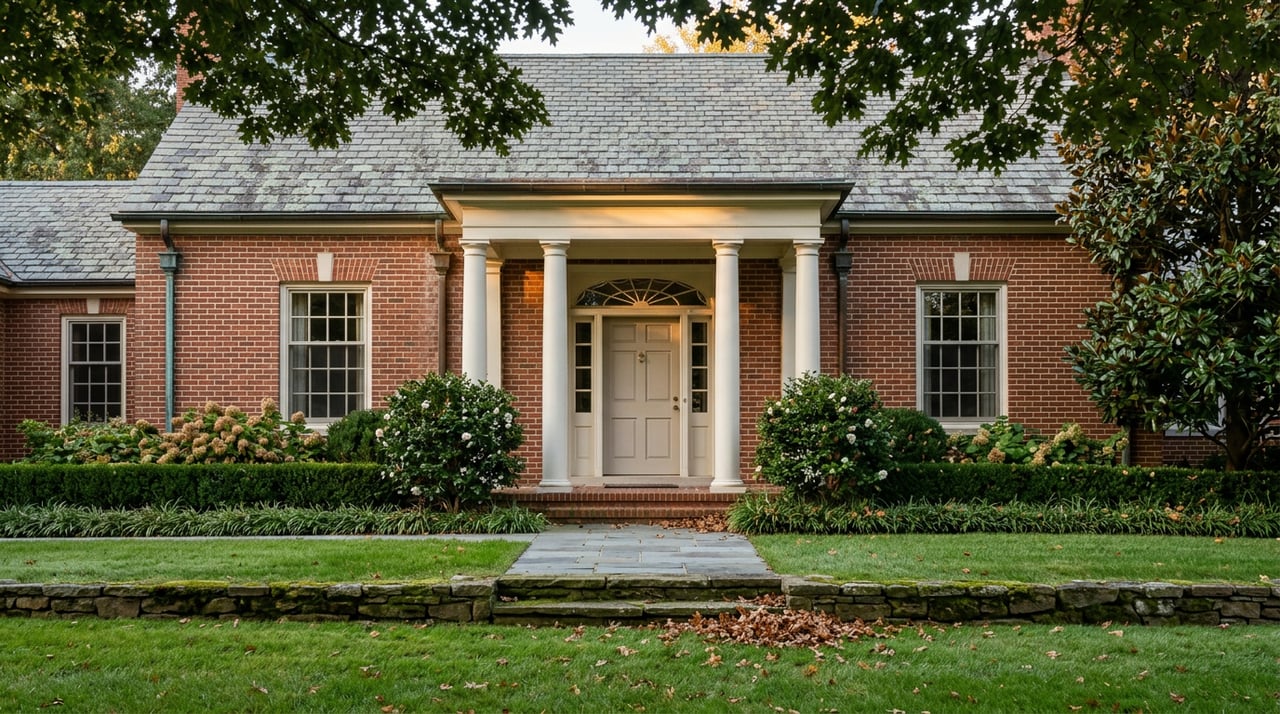
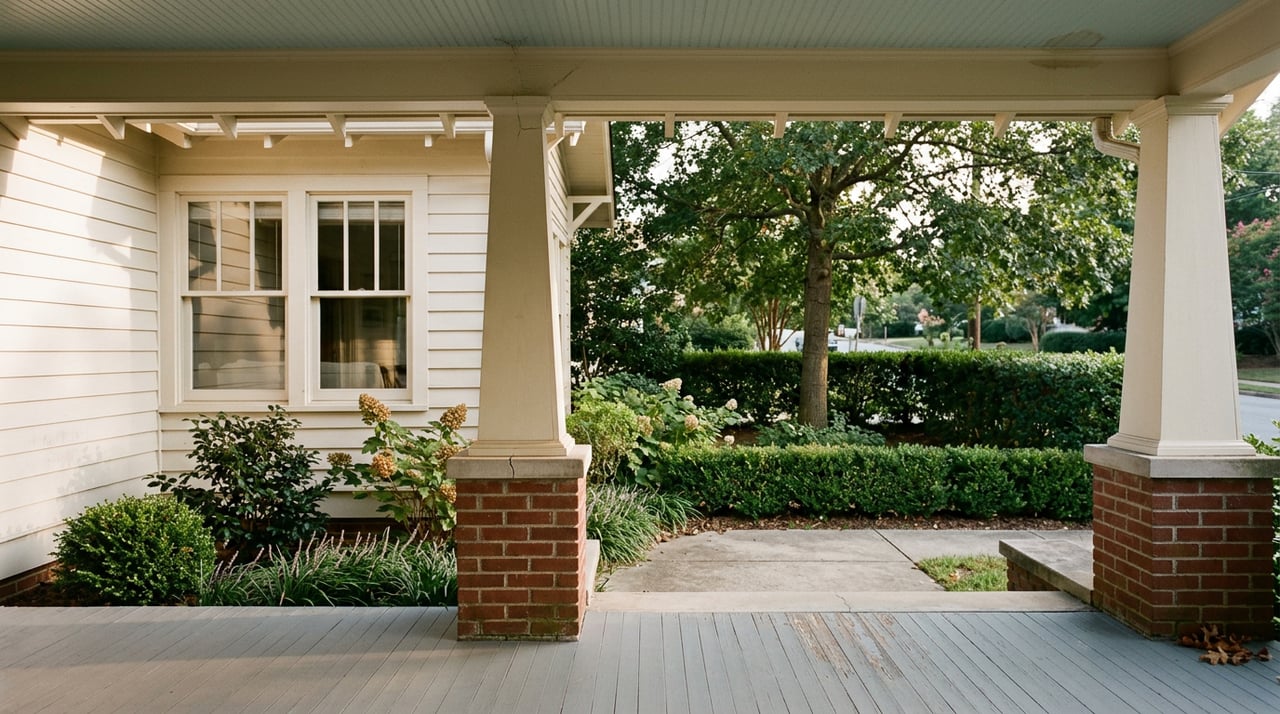
One of Decatur’s strengths is variety. The city says much of Decatur was built out in the 1920s, with Craftsman bungalows and early-1900s homes common throughout the area. That older housing fabric gives many neighborhoods a layered, established feel.
But Decatur is not limited to one home style. The city’s history resources also describe trolley-influenced neighborhoods such as Winnona Park and West Clairemont, garden-suburb neighborhoods including Oakhurst, Adair Park, Great Lakes, Glennwood Estates, and College Heights, and later 1940s to 1960s neighborhoods that include ranch housing in places like Decatur Heights.
That means your walkable lifestyle options may range from pre-war bungalows and cottages to ranch homes, condos, apartments, and mixed-use residences. If you are buying in Decatur, the exact block and housing type matter a great deal. Two homes may share a Decatur address but offer very different day-to-day experiences.
Historic Districts and Renovation Plans
If you love architecture and are thinking about updates, this is an important part of the search. The City of Decatur says there are five local historic districts: MAK, Clairemont Avenue, Ponce de Leon Court, Parkwood, and Old Decatur. Material changes in those districts, as well as at two historic landmarks, are reviewed by the Historic Preservation Commission.
That does not mean a historic home is the wrong choice. It simply means you should verify whether a property falls within a protected area before making assumptions about exterior changes or renovation flexibility. If design freedom matters to you, this step is worth doing early.
For many buyers, historic designation is part of the appeal because it helps preserve neighborhood character. For others, especially those planning significant exterior work, it is a practical detail that should shape the decision.
Price Ranges Vary by Micro-Location
Decatur does not fit into one simple price bucket. Redfin reported a median sale price of $723,000 for Decatur in February 2026, while Zillow reported average rent of $1,785 as of March 2026. Those broad numbers are useful as a starting point, but they do not tell the full story.
The same Zillow data shows how much prices can shift by neighborhood. Nearby median figures ranged from about $484,000 in Old Decatur to about $808,000 in College Heights, with Winnona Park and Decatur Heights around $708,000 to $718,000 and the East Ponce de Leon Corridor around $540,000. These figures are directional rather than a replacement for live market analysis, but they show how much exact location and housing type influence value.
If you are comparing walkable areas, this is especially important. A home near one commercial node may have a very different price point than a similar home near another. In Decatur, the details matter.
How To Choose the Right Walkable Fit
The best neighborhood for you depends on what “walkable” means in your daily life. Some buyers want to step outside and be in the middle of restaurants, transit, and retail. Others want a quieter residential setting with a small commercial cluster and park access nearby.
A simple way to frame your search is to think about these patterns:
- Choose The Square if you want the strongest mix of retail, dining, and MARTA access.
- Choose West Ponce if you want everyday convenience and a flexible housing mix near neighborhood services.
- Choose Oakhurst if you want a village feel with a park-centered commercial area.
- Choose Old Depot District if you value historic character and a smaller destination-style pocket.
- Choose East Decatur Station and College Avenue if you want newer mixed-use living in a walkable setting.
It also helps to think beyond the label of the neighborhood. In Decatur, a few blocks can change your experience in a meaningful way. The easiest way to evaluate fit is to look at how each home connects to sidewalks, greenspace, commercial nodes, and transit in real life.
Why Local Guidance Matters in Decatur
Because Decatur is compact, layered, and highly block-specific, broad descriptions only go so far. The right home for you may depend on whether you want original architecture, a condo near downtown, a ranch with easier upkeep, or a property close to one of the city’s walkable commercial districts. Small differences in location can shape your routine, your renovation options, and your budget.
That is where thoughtful guidance can make a big difference. A design-aware approach is especially useful in Decatur because housing character, streetscape, and historic context often play a major role in both lifestyle and value. When you understand how the city’s walkable nodes connect to housing stock and long-term goals, your search becomes much more focused.
If you are thinking about buying or selling in Decatur and want a more tailored view of how walkability, housing style, and micro-location affect value, Rich Richardson can help you navigate the details with a local, relationship-first approach.
FAQs
What makes Decatur, GA walkable?
- Decatur’s walkability comes from its compact 4.7-square-mile footprint, more than 60 miles of sidewalks, multiple neighborhood commercial districts, greenspace planning, and MARTA access within city limits.
Which Decatur neighborhood is best for a car-light lifestyle?
- Based on city and MARTA information, The Square and the West Ponce corridor offer the strongest concentration of retail, dining, and rail access for a more car-light routine.
What is the difference between Oakhurst and downtown Decatur?
- Oakhurst offers a more neighborhood-village feel centered around Harmony Park and a compact commercial strip, while downtown Decatur and The Square feel more urban and commercially active.
Are there newer mixed-use homes in Decatur?
- Yes. The City of Decatur identifies East Decatur Station and the College Avenue Corridor as a key example of newer mixed-use residential in a walkable setting.
Do historic districts affect home renovations in Decatur?
- Yes. The City of Decatur says material exterior changes in local historic districts and at designated landmarks are reviewed, so you should confirm a property’s status before planning renovations.
Are home prices the same across Decatur neighborhoods?
- No. Public market data shows a wide range by neighborhood, which means your exact micro-location and housing type can significantly affect pricing.